





Ever noticed how everyone in San Diego seems to glow a little? Maybe it’s the ocean air, or the year-round sunshine, or maybe it’s just good lighting. But behind all that laid-back beach energy is a city full of people who’ve quietly mastered the art of staying well without obsessing over it. They hike before breakfast, blend smoothies with confidence, and somehow remember to floss. In this Article, we will share small, realistic habits that lead to better health every day—without needing a lifestyle overhaul.
The Daily Things That Actually Stick
In the age of hacks and heroics, there’s a strange pressure to turn wellness into a part-time job. Meal prep for five hours on Sunday. Wake up at 5am to meditate and journal. Ditch gluten, dairy, caffeine, and joy. But most people don’t live like that. They’re tired. They’re juggling work, school, kids, appointments, dishes. What makes a real difference isn’t the dramatic change. It’s the quiet things done on autopilot.
Habits work when they fit your life—not when they try to replace it. And lately, there’s been a subtle shift in health culture. Less focus on optimizing everything, more focus on sustainability. Not the trendy kind, but the kind where you still feel okay after a long week of not sleeping enough and eating weird leftovers.
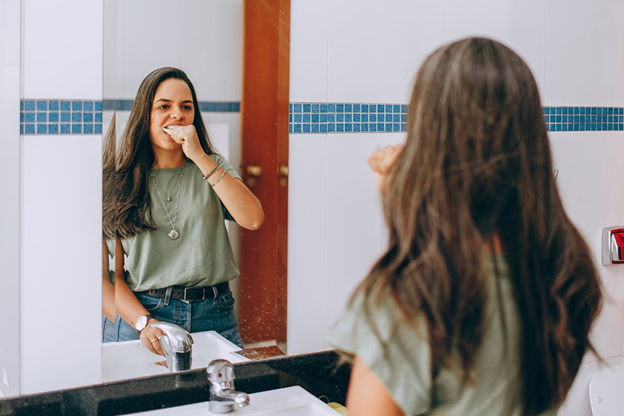
Take dental care. A perfect example of a habit that slips when life gets busy, but matters more than most realize. Good dental health affects everything from confidence to heart disease risk. Yet people skip appointments, forget nighttime brushing, or give up flossing after three days. Making dental care part of the daily rhythm makes it less of a chore and more of a non-negotiable.
That’s where trusted providers come in. When you build a relationship with professionals who care about your long-term health—not just your insurance coverage—you’re more likely to keep up the routine. Places like sandiegodentalcenter.com make that process less clinical, more personal. When someone takes your dental health seriously, it feels easier to do the same yourself. And in a city where the average morning includes both sunrise and iced coffee, that little smile confidence boost goes a long way.
Sleep Still Isn’t Optional
It’s wild that sleep still has to be defended. Even with all the science, all the public health campaigns, and all the sleep-deprived influencers talking about their burnout, most people still treat rest like an afterthought. Too often, it’s the first thing cut when schedules get tight.
But the effects show up quickly. Poor sleep makes your skin dull, your immune system weak, your memory fuzzy. Your hunger hormones get weird. Your mood nosedives. And it’s not just about duration. It’s about consistency. Going to bed at 2am and waking at 10am isn’t the same as 11pm to 7am, even if the hours add up the same.
Getting better sleep doesn’t have to involve blackout curtains and melatonin gummies. Just start with a repeatable routine. Dim the lights an hour before bed. Set your phone somewhere you can’t scroll from under the covers. Don’t try to “catch up” on weekends—it doesn’t work. Make bedtime feel like a transition, not a shutdown.
Water Isn’t Boring, You’re Just Dehydrated
Somewhere along the way, water became a punchline. People joke about how they forgot to drink any all day, like it’s just a harmless quirk. But dehydration, even mild, affects energy, focus, digestion, and yes—your skin again. It slows down your whole system, making you feel foggy and sluggish without realizing why.
Forget eight glasses. Just start carrying water with you. If you see it, you’ll drink it. Refill it without thinking. Add lemon or cucumber if you need a little flavor motivation. Even better, link water to other daily habits. Coffee? Follow it with a glass of water. Every time you wash your hands, drink some. Build small hydration cues into your day so it doesn’t feel like one more thing you’re trying to “track.”
Movement That Doesn’t Feel Like Punishment
You don’t need to run five miles or do hot yoga in a warehouse to move your body. Regular movement is about circulation, joint health, mood support. Walking counts. Dancing counts. Even stretching in your kitchen while waiting for pasta to boil does more than you’d think.
The trick is making movement casual again. You don’t need workout gear. You don’t need a timer. You just need to move. And lately, with so many people still working from home or stuck in hybrid routines that kill daily steps, simple movement habits matter more than ever.
Take walks after dinner. Do squats during screen breaks. Put your shoes on and walk around the block when your brain hits a wall. Not to “burn calories,” but to clear your head and remind your muscles they exist. Think less fitness routine, more physical upkeep. The same way you brush your teeth or stretch your back when it’s sore—keep your body moving so it stays yours.



Leave a Reply