






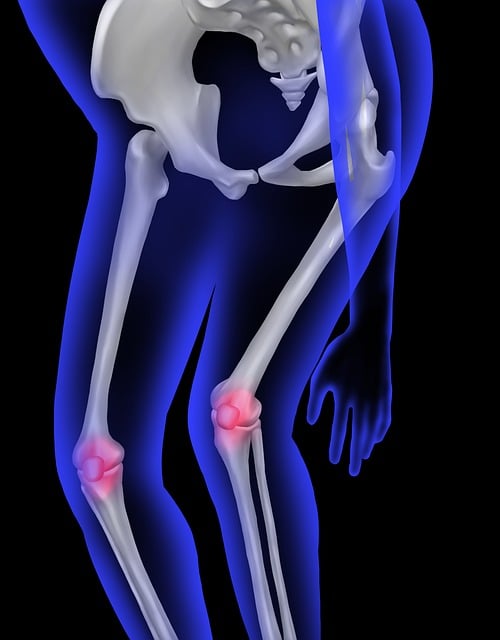
Bone and joint problems were once associated with aging, but a noticeable shift is happening today. Increasingly, young professionals in their 20s and 30s are reporting knee pain, back stiffness, shoulder discomfort, and early signs of joint degeneration. This trend is being referred to as “desk job bones,” a condition driven by prolonged sitting, poor posture, and lack of physical activity.
In a world where most work happens in front of screens, the human body is adapting in ways that are not always beneficial. Orthopedic care is now focusing not only on treating injuries but also on addressing these lifestyle-driven musculoskeletal problems before they become severe.
Why Bone and Joint Issues Are Increasing in Younger Age Groups
Modern work culture has significantly reduced physical movement. Long hours of sitting, minimal walking, and repetitive use of certain muscle groups are creating imbalances in the body.
When the body remains in a static position for extended periods, joints become stiff and muscles weaken. Over time, this leads to increased pressure on bones and cartilage, causing discomfort and early wear.
Additionally, factors such as poor diet, lack of sunlight exposure, and vitamin deficiencies, especially vitamin D and calcium further weaken bone health.
This combination of inactivity and nutritional imbalance is accelerating the onset of musculoskeletal problems.
The Hidden Impact of Poor Posture
Posture plays a critical role in maintaining bone and joint health. Slouching, leaning forward, or sitting without proper back support can misalign the spine and place unnecessary stress on joints.
For example, forward head posture increases strain on the neck and shoulders, while improper sitting positions affect the lower back and hips. These small but consistent stresses can lead to chronic pain over time.
Correcting posture is one of the simplest yet most effective ways to prevent long-term damage.
Knee and Shoulder Injuries Without Sports
Another surprising trend is the rise of knee and shoulder injuries among individuals who are not actively involved in sports. These injuries are often caused by weak muscles, sudden movements, or improper exercise techniques.
For instance, starting intense workouts without proper conditioning can put excessive strain on joints. Similarly, repetitive movements, such as typing or using a mouse, can lead to overuse injuries.
These conditions highlight the importance of balanced physical activity and proper training.
The Role of Minimally Invasive Joint Treatments
One of the most significant advancements in orthopedic care is the use of minimally invasive procedures. These techniques allow doctors to treat joint issues with minimal disruption to surrounding tissues.
An Arthroscopic Surgeon specializes in performing these procedures using small incisions and a camera to guide the treatment. This approach is commonly used for knee, shoulder, and ligament injuries.
The benefits include reduced pain, faster recovery, and minimal scarring. Patients can often return to their daily activities much sooner compared to traditional surgery.
Why Early Diagnosis Is Becoming Critical
Ignoring joint pain or stiffness can lead to more serious conditions over time. Early diagnosis allows doctors to identify the root cause and implement appropriate treatment before the problem worsens.
Modern diagnostic tools, including imaging and physical assessments, help detect issues such as cartilage damage, ligament tears, and early arthritis.
Timely intervention not only prevents further damage but also reduces the need for complex surgical procedures.
Strength Training and Bone Health
Exercise plays a crucial role in maintaining strong bones and healthy joints. Strength training, in particular, helps improve bone density and muscle support around joints.
When muscles are strong, they reduce the load on bones and joints, minimizing the risk of injury. Weight-bearing exercises also stimulate bone growth, making them essential for long-term health.
However, it is important to follow proper techniques and avoid overtraining, as excessive strain can lead to injuries.
The Role of a Specialist in Managing Bone Disorders
As musculoskeletal issues become more complex, the need for specialized care is increasing. An Orthopedic Surgeon plays a key role in diagnosing and treating a wide range of bone and joint conditions.
From fractures and ligament injuries to degenerative diseases, these specialists use a combination of medical and surgical approaches to restore function and relieve pain.
Their expertise ensures that patients receive personalized treatment plans tailored to their specific condition and lifestyle.
The Importance of Movement in Daily Life
One of the most effective ways to prevent bone and joint problems is to incorporate movement into daily routines. Simple changes, such as standing up regularly, stretching, and walking, can make a significant difference.
Even small adjustments, like using ergonomic furniture or taking short breaks during work, can reduce strain on the body.
Consistency is key. Regular movement helps maintain flexibility, improve circulation, and support overall musculoskeletal health.
Nutrition: The Foundation of Bone Strength
Diet plays a crucial role in maintaining healthy bones. Nutrients such as calcium, vitamin D, magnesium, and protein are essential for bone formation and maintenance.
A balanced diet that includes dairy products, leafy greens, nuts, and lean proteins supports bone health and reduces the risk of fractures.
Hydration is equally important, as it helps maintain joint lubrication and overall body function.
The Future of Orthopedic Care
Orthopedic care is evolving to address the challenges of modern lifestyles. Advances in technology, including AI-based diagnostics and personalized treatment plans, are improving patient outcomes.
Preventive care is becoming a priority, with a focus on educating individuals about the importance of posture, movement, and nutrition.
As awareness grows, people are taking a more proactive approach to their bone and joint health.
Conclusion: A Wake-Up Call for Modern Lifestyles
The rise of bone and joint issues among young professionals is a clear indication that lifestyle changes are needed. While medical advancements provide effective treatments, prevention remains the best approach.
By adopting healthier habits, seeking early medical advice, and staying active, individuals can protect their bones and joints for the long term.
In today’s world, maintaining bone health is not just about avoiding injury, it is about ensuring a strong and active life.









Leave a Reply