






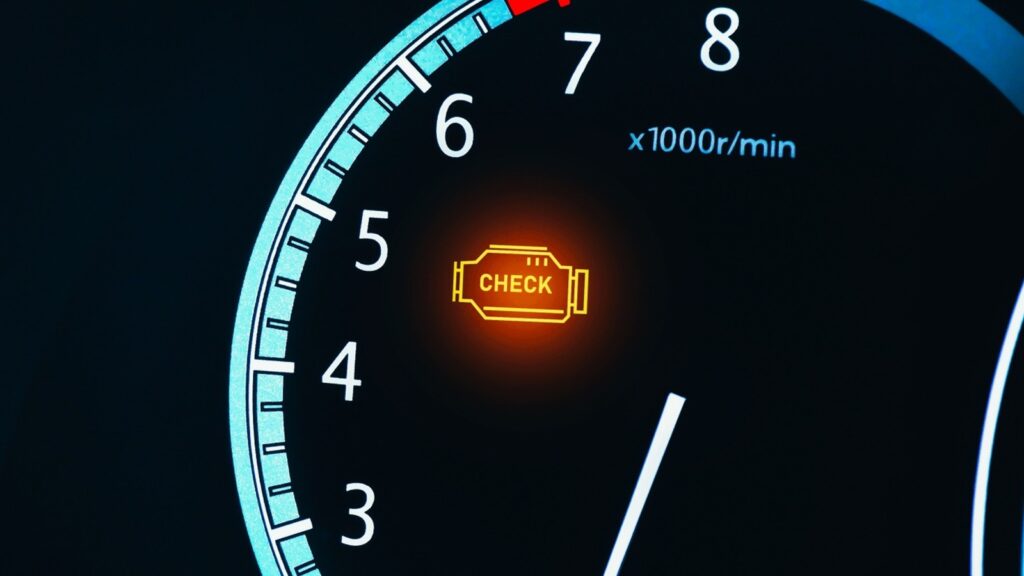
You are driving along an American highway and you like the open road until you see a glowing symbol that catches your eye. The check engine symbol that you hate to see comes up, but it doesn’t go solid it blinks. The immediate result of this is usually panic. You may then begin to wonder yourself why do I have a check engine light on and what does the blinking mean anyway. It is the brightest warning signal of your vehicle in distress.
Knowing this warning can cost you huge repair expenses and unsafe breakdowns on the road. A yellow light typically implies that you have to have a service visit scheduled to inspect a minor problem. A flickering light spells out a totally different story about the health of your engine at the moment. It requires your immediate attention and quick action to avoid serious mechanical damages. We are going to show you all that you need to know about this stressful situation.
What a Flashing Light Means

Modern cars have an internal computer system that is highly sensitive and designed by automakers. These computers observe your fuel mixture, exhaust output, etc., on each and every second. It is the failure to absorb a system that causes that lightning-blink on your dashboard when the system notices that there was a catastrophic failure. This particular caution nearly always suggests a serious engine misfire in actual time.
In an engine misfire the unburnt fuel is dumped into your exhaust system. This crude fuel is soon delivered to your catalytic converter, which is a very costly and important emissions device. The converter makes use of very high temperatures to purify your exhaust gases. As raw fuel impinges upon this red-hot piece, it can melt the inner structure in a matter of minutes. In the USA, the price of replacing a melted catalytic converter can be thousands of dollars.
Driving With a Flashing Light
You may be thinking that you can simply power through and get to work. When you get that engine light flickering as you drive through, you should pull over safely as soon as possible. Charging with or without this would mean that you are bound to cause a colossal damage to your vehicle. Park on the shoulder or a parking lot.
It is interesting to note that you must turn off your engine when you park your car in a safe location. Do not start the motor to see whether the light will blow off. Even having to drive an extra few miles down the interstate can ruin your whole exhaust system. The best you can do is to call a local towing service to take your car to a mechanic. The cost of hiring a tow truck is way cheaper than the cost of purchasing a new engine or catalytic converter.
Common Causes for USA Drivers
Drivers in the United States are challenged in a variety of ways depending on their location. Extreme temperatures impact engine performance, whether on a cold freezing winter in the Midwest or a hot sweltering summer in the Southwest. Such wild temperature variations cause intensive stress on the engine parts in the long run. The most obvious offenders of serious engine malfunctions are spark plugs. Once a spark plug does not ignite the fuel properly the whole mechanism becomes out of rhythm.
It is also very common to break ignition coils and have that horrible blinking light on your dash. The ignition coil delivers the giant jolt of electricity that is required to generate a spark. When the coil fails to work, the respective engine cylinder just shuts off. Air and fuel balance can be disturbed by leaks in the vacuum of the engine bay as well. When too much unmetered air enters your engine, your engine will not run well and will start to misfire violently.
Weather and Rain Factors
Wetness is an inherent foe to the intricate electrification of your car. Flashing of the engine light is something that happens to many drivers as they exit the rain storm or have been driving in deep puddles. By splashing water, it can easily enter delicate electrical connectors and sensor housings under the hood.
When water is on your ignition coils or spark plug wires, the electrical current is shorted. The electricity does not have to go to the spark plug but rather to the metal engine block. This short circuit due to moisture leads to an immediate engine misfire and results in the blinking warning. Sometimes this particular water problem is solved by waiting until the engine bay is completely dry.
Misfires and Fuel Issues
Your engine will largely depend on your fuel system to ensure that it runs smoothly. A blocked fuel injector may deprives a cylinder of the gasoline it requires to produce an explosion. This is because without fuel, that particular cylinder will cause a dead spot in the engine rotation. This vacuum leads to violent shaking of the engine and activates the emergency warning system on the computer.
Poor quality gasoline may also result in serious performance nationwide. When you pump in contaminated fuel or gas with excessive water content, your engine will not easily combust it. These poor combustions are sensed by the sensors and you are immediately notified by the dashboard. Change in fuel filter and a cleaner in the gas tank usually fix simple fuel delivery issues.
Dashboard Lights Keep Flashing
The issue is sometimes not limited to one engine warning symbol. And you may find that your dashboard warning lights are flickering in an erratic, disorganized fashion. This frightening light exhibition normally indicates something totally different in mechanical failure. When the lights are flashing together, it is possible that your car has a faulty alternator or a defective battery.
Car computers and car sensors consume a significant amount of controllable electricity that is required by modern cars. Once the electrical current is reduced to a certain point, the computers start to panic and turn off unnecessary systems. And it is this low voltage that results in many warning lights being falsely activated since the sensors lack electrical feed. A basic battery test at a local auto parts store will confirm whether or not you have a problem with voltage.
How to Fix the Problem
To troubleshoot a blinking warning light, patience and the appropriate diagnosis method is what is required. Never guess what to change in the case of an engine misfire. Putting parts in the car randomly is a waste of your hard earned money and would hardly fix the real root of the problem. Special error codes are stored in the computer of the vehicle and inform you which cylinder is malfunctioning.
The simplest code reader is available in any large American auto parts store. The hidden error codes are seen when you plug this small device in the port beneath your steering wheel. P0301 coded specifically indicates to you that cylinder number one is misfiring. This crucial data will reduce the troubleshooting to one component of engine.
Professional Help and Diagnostics
Although the simple code readers are useful to give you an idea on the right direction, they do not reveal the entire story. The type of generic code reader is unable to measure fuel pressure, electrical resistance, and engine compression. This is the reason that it is always safe to pay a professional check engine light diagnostic service. Advanced scanning computers that require thousands of dollars to read live engine data are used by professional mechanics.
All these are highly sophisticated instruments enabling the technician to monitor your engine performance graph in real time. They are able to identify a dormant oxygen sensor or a faulty ignition coil before it gives up. The cost of the diagnostic fee goes through the expertise of the mechanic as well as his or her access to these high-level testing instruments. When you leave your car in the hands of a professional, then you can be assured that it will be fully repaired to help it be on the road again in a safe manner.
Next Steps for Your Car
Acting now to prevent a blinking warning light guarantees your investment in a vehicle. Any flashing dash symbol should also not be ignored even when the car appears to be performing relatively well at a particular time. Pull up somewhere safe, turn off the engine and call a tow with a nearby reputable repair shop.
One reason why such stressful emergencies can be prevented even before they arise is through routine maintenance. The ignition system is also maintained by changing your spark plugs at the recommended intervals by the factory. The change of oil and fluid check are made regularly to make sure that all internal parts remain cool and lubricated. Caring about your car will ensure that it will give you several years of safe and reliable transportation in the country.









Leave a Reply