






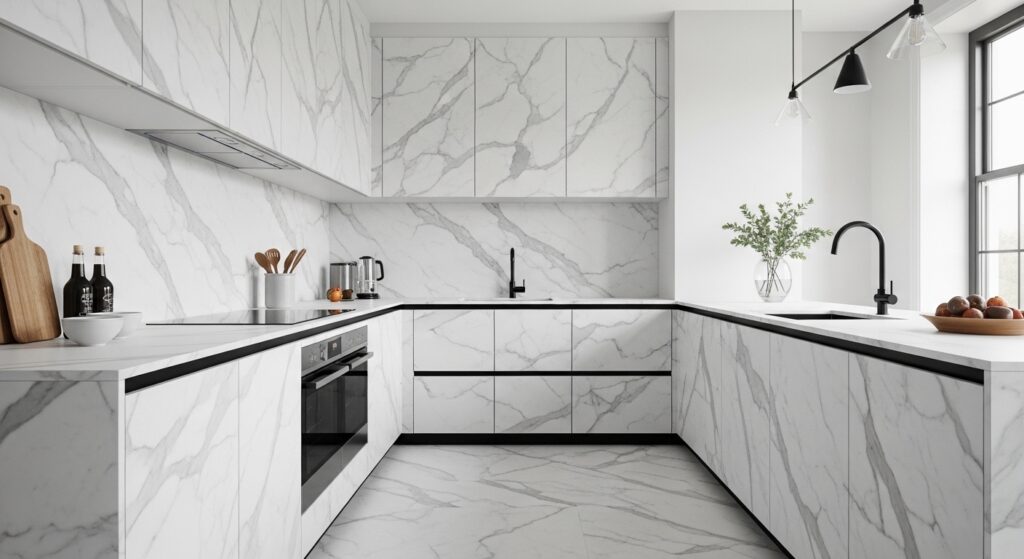
Kitchen renovations often require large budgets, extended timelines, and disruptive construction work. Many homeowners now look for practical alternatives that refresh kitchen surfaces without replacing cabinets or countertops. Vinyl wrap kitchen worktops provide a modern solution that combines affordability, design flexibility, and quick installation.
Instead of removing existing countertops, installers apply a specialized self-adhesive vinyl film directly over the surface. This architectural film creates the appearance of materials such as marble, granite, concrete, or brushed metal while preserving the original structure underneath.
Interior designers and renovation professionals increasingly use vinyl wrapping techniques to modernize kitchens, rental properties, offices, and commercial spaces. The approach works particularly well for laminate or MDF worktops that remain structurally sound but look outdated.
What Is Vinyl Wrap for Kitchen Worktops?
Vinyl wrap for kitchen worktops refers to the application of durable adhesive vinyl film over existing countertop surfaces to change their appearance and improve protection. These films consist of a flexible PVC layer combined with pressure-sensitive adhesive backing.
Manufacturers design architectural vinyl films specifically for interior surfaces such as cabinets, walls, furniture, and countertops. When applied correctly, the material conforms to curves, edges, and corners, creating a seamless finish.
Unlike decorative stickers or basic plastic sheets, professional worktop wraps feature advanced coatings that resist scratches, stains, and moisture. Many products also include textured surfaces that replicate natural materials.
Professional installers frequently use architectural vinyl products such as:
- 3M DI-NOC Architectural Finishes
- Avery Dennison Architectural Films
- Cover Styl’ Interior Films
- LG Hausys BENIF Interior Film
These films come in hundreds of design variations, allowing homeowners to customize kitchen surfaces without expensive remodeling.
Why Homeowners Choose Vinyl Wrap for Kitchen Countertops
Budget-Friendly Kitchen Renovation
Replacing kitchen countertops can cost thousands of dollars, especially when materials like granite or quartz are involved. Vinyl wrapping provides a far more affordable option.
Instead of purchasing new worktops, homeowners can transform existing surfaces at a fraction of the cost. The installation process also requires less labor and no structural modifications.
Rental property owners often choose vinyl wrap solutions because they allow kitchens to look modern while keeping renovation budgets under control.
Wide Range of Designs and Textures
One of the biggest advantages of vinyl worktop wraps is the variety of available designs. Modern architectural films can realistically mimic high-end materials.
Popular visual effects include:
- marble and quartz finishes
- wood grain textures
- matte concrete surfaces
- metallic or brushed steel effects
- high-gloss solid colors
Textured vinyl films enhance realism by adding subtle depth and tactile surfaces that resemble natural materials.
Quick Installation and Minimal Disruption
Traditional kitchen renovations may take days or weeks to complete. Vinyl wrapping typically requires only a few hours depending on the surface size.
Professional installers clean and prepare the countertop, apply the vinyl film carefully, and finish edges using heat and specialized tools. Because the process generates no demolition waste, homeowners can continue using their kitchen almost immediately.
Materials and Technology Behind Modern Vinyl Worktop Wraps
Architectural Vinyl Films
Architectural vinyl films represent the core material used for worktop wrapping. Manufacturers engineer these films to combine flexibility, durability, and realistic design patterns.
The material typically includes several layers:
- decorative printed surface layer
- protective wear coating
- flexible PVC film
- pressure-sensitive adhesive backing
The protective layer plays an important role by improving scratch resistance and stain protection. High-quality films also incorporate UV stabilizers that prevent fading over time.
Products such as 3M DI-NOC Architectural Finishes gained popularity because they replicate natural materials with impressive detail.
Adhesive Technology and Durability
Modern vinyl wraps rely on pressure-activated adhesive systems that create strong bonds with surfaces like laminate, wood, or metal. Installers use heat guns to activate the adhesive and help the film conform to corners or edges.
Advanced adhesive formulations also include air-release channels. These microscopic channels allow trapped air to escape during installation, reducing bubbles and improving overall finish quality.
While vinyl wrap surfaces cannot fully match the durability of stone countertops, high-quality films provide sufficient resistance for typical household kitchen use.
Popular Vinyl Wrap Designs for Kitchen Worktops
Design flexibility remains one of the main reasons homeowners explore vinyl wrapping solutions. Modern films replicate a wide range of interior design trends.
Marble-effect vinyl wraps remain among the most requested styles. These designs simulate white Carrara marble or darker stone patterns, creating an elegant look without the cost of natural stone.
Concrete-effect wraps suit contemporary kitchens that emphasize minimalist industrial aesthetics. Matte textures and subtle color variations mimic real concrete surfaces effectively.
Wood-grain vinyl wraps work well in Scandinavian-inspired kitchens. These finishes create a warm natural appearance while maintaining the durability of vinyl.
Solid color wraps provide another popular option for modern interiors. Matte black, deep navy, and soft grey finishes allow homeowners to coordinate worktops with cabinets and backsplashes.
Step-by-Step Process of Wrapping Kitchen Worktops
Professional vinyl installation requires careful preparation and precision. While some homeowners attempt DIY applications, experienced installers often achieve more consistent results.
The typical process includes the following steps:
1. Surface inspection and preparation
Installers examine the countertop for cracks, loose laminate, or deep damage. They repair imperfections and ensure the surface remains smooth and stable.
2. Deep cleaning and degreasing
Cleaning removes grease, dust, and residue that could weaken adhesive bonding.
3. Measuring and cutting the vinyl film
The installer measures the worktop carefully and cuts the vinyl sheet slightly larger than the surface.
4. Applying the vinyl film
The film is positioned and gradually applied while smoothing out air pockets with professional tools.
5. Heating and edge wrapping
Heat guns soften the vinyl so it can stretch around edges and corners.
6. Final trimming and finishing
Excess film is trimmed precisely to create a clean, seamless appearance.
Professional installation ensures the wrap remains properly aligned and securely bonded to the surface.
Advantages and Limitations of Vinyl Wrapped Countertops
Vinyl wrapping provides several benefits, especially for budget-conscious renovations.
Key advantages include:
- significantly lower cost compared to replacing countertops
- large selection of textures and finishes
- fast installation with minimal disruption
- ability to update outdated kitchen designs quickly
- reversible solution for rental properties
However, homeowners should also understand certain limitations.
Vinyl surfaces remain less heat-resistant than stone countertops. Placing hot pots directly on the surface can damage the film. Cutting directly on vinyl may also leave marks if protective cutting boards are not used.
With proper care, most high-quality vinyl wraps can last several years before requiring replacement.
Maintenance Tips for Vinyl Wrapped Kitchen Surfaces
Maintaining vinyl wrapped worktops requires simple daily habits. Regular cleaning helps preserve the appearance and durability of the film.
Use mild soap and warm water to clean the surface. Avoid abrasive scrubbing pads or strong chemical cleaners because they can damage the protective layer.
Always place hot cookware on heat-resistant mats or trivets. This precaution prevents heat damage to the vinyl film.
Using cutting boards protects the wrap from sharp knife marks.
Routine care ensures the surface maintains its appearance for many years.
Cost of Vinyl Wrapping Kitchen Worktops vs Replacement
Cost remains a major factor influencing renovation decisions. Replacing kitchen countertops with stone materials such as quartz or granite often requires significant investment.
Vinyl wrapping typically costs far less because installers reuse the existing worktop structure. Labor costs remain lower, and no demolition or disposal work is required.
While exact pricing varies depending on region and surface size, vinyl wrapping can reduce renovation costs dramatically compared with full countertop replacement.
Homeowners often choose this approach when upgrading kitchens for resale, rental properties, or quick interior refresh projects.
Frequently Asked Questions (FAQs)
1. How long does vinyl wrap last on kitchen worktops?
High-quality vinyl wrap can last between 5 and 10 years depending on usage, care, and installation quality.
2. Can vinyl wrap handle heat from cooking?
Vinyl films resist moderate heat but should not come into direct contact with hot pots or pans. Always use heat-resistant mats.
3. Is vinyl wrapping cheaper than replacing countertops?
Yes. Vinyl wrapping usually costs significantly less than installing new granite, quartz, or marble countertops.
4. Can vinyl wrap be removed later?
Yes. Professional installers can remove architectural vinyl films without damaging the underlying surface if removal occurs carefully.
5. Can you wrap any type of kitchen worktop?
Vinyl wrap works best on smooth surfaces such as laminate, MDF, wood, or metal countertops.
6. Is vinyl wrapping suitable for rental properties?
Yes. Many landlords choose vinyl wraps because they improve kitchen appearance while keeping renovation costs low.









Leave a Reply