






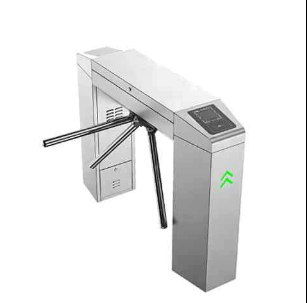
Selecting a turnstile for harsh outdoor conditions means looking beyond the gate itself. The unit must suit the site’s exposure, security needs, traffic volume, access control setup and maintenance demands. For construction sites, mines, roadwork zones, council facilities, supermarkets and managed buildings, the right turnstile should control entry reliably without failing under weather, dust, corrosion or heavy use.
Start With The Site’s Exposure Level
First, define how harsh the environment is. A covered car park, exposed mine site, coastal facility and temporary roadwork compound all create different risks. Rain, salt air, dust, heat, mud, vibration and impact can all affect performance.
For open-air entry points with limited supervision, full-height models are often more suitable than waist-height units because they create a stronger physical barrier. Options like full height turnstile gates for secure entry points are often considered where outdoor sites need controlled pedestrian access through perimeter fences, restricted compounds or high-risk access zones. The goal is to choose a design that deters unauthorised entry while still allowing safe, practical movement for approved users.
Choose Materials That Resist Corrosion
Outdoor turnstiles should use materials suited to long-term exposure. Galvanised steel is common because its zinc coating helps resist rust in many industrial settings. Stainless steel may be better for coastal, wet or highly visible sites where corrosion resistance and appearance matter.
Assess more than the frame. The rotor, canopy, fasteners, hinges, bearings, locks and base plates must also be suitable for outdoor use. Smaller components often fail first when they corrode, seize or weaken.
Check Protection For Electronics
Many turnstiles include card readers, keypads, control boards, sensors, intercoms or connections to wider security systems. These parts need protection from rain, dust and temperature changes. The IP rating, or Ingress Protection rating, indicates how well electrical enclosures resist solids and liquids.
For harsh sites, electronics should be sealed or weather-protected, with cabling routed through protected conduits. This matters on construction, mining and roadwork sites where dust, vibration and accidental contact can quickly damage exposed wiring or control boxes.
Match The Turnstile To User Flow
A turnstile must suit the number and type of people using it. A shift-change entry point needs higher flow capacity than a council storage yard or supermarket back-of-house entrance. If the system is too slow, users may queue, bypass it or leave nearby gates open.
The access method also needs to fit the environment. Swipe cards, fobs, PIN pads, QR readers and intercoms can all work, but harsh outdoor sites often favour simple, durable systems. Workers wearing gloves, carrying tools or entering in poor weather need access that is easy to use without reducing security.
Assess Impact And Foundation Requirements
Outdoor turnstiles may face knocks from equipment, materials, trolleys, temporary fencing or heavy pedestrian traffic. The frame should be strong, but the footing and installation method are just as important.
A full-height turnstile must be fixed to a stable base with suitable anchor bolts, especially when installed on concrete pads or permanent foundations. Poor installation can cause movement, misalignment and early wear. Check whether the site has concrete, asphalt, compacted ground or a temporary base before selecting the model.
Plan For Maintenance Access
Outdoor turnstiles should be easy to inspect and service. Motors, locks, control panels, bearings and moving parts must be accessible. If key components are hard to reach, routine maintenance becomes slower and more costly.
Also check spare parts availability, service intervals and cleaning requirements. In wet, dusty or high-use environments, reliability depends on both build quality and practical maintenance.
Strong Selection Prevents Early Failure
The right outdoor turnstile is specified based on the site’s real conditions. Exposure, corrosion risk, electronics protection, user flow, access method, impact resistance, foundation requirements and maintenance access should all guide the decision. When these factors are considered early, the turnstile is more likely to provide secure, reliable entry control without avoidable breakdowns or early replacement.









Leave a Reply