






Introduction
Enterprise Resource Planning systems have evolved significantly over the years, helping organizations streamline operations, improve efficiency, and make better business decisions. As digital transformation accelerates, many companies are evaluating modern platforms that offer real-time processing, advanced analytics, and simplified business processes.
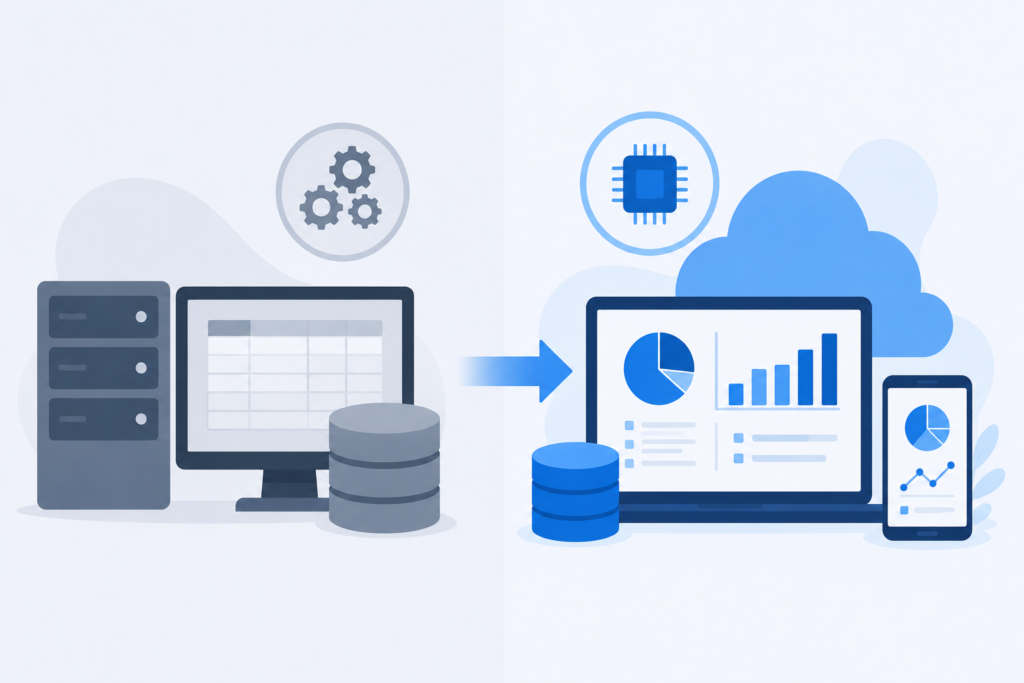
The discussion around ecc to sap s4hana migration has become increasingly important for organizations seeking to modernize their technology landscape. Understanding the differences between traditional ERP environments and next-generation platforms helps businesses make informed decisions about future investments.
Understanding Traditional ERP Systems
Traditional enterprise resource planning environments were designed to integrate various business functions into a centralized system.
These functions typically include:
- Finance
- Procurement
- Sales
- Manufacturing
- Inventory management
- Human resources
- Supply chain operations
For many years, these systems successfully supported organizations by providing standardized processes and centralized data management.
However, changing business demands now require faster processing, greater flexibility, and more advanced analytical capabilities.
Modern Enterprise Platforms and Digital Transformation
Modern businesses operate in increasingly competitive environments where real-time insights and operational agility are essential.
Organizations need systems that support:
- Immediate access to business data
- Intelligent automation
- Mobile accessibility
- Advanced analytics
- Simplified user experiences
- Cloud integration
Next-generation enterprise solutions are designed to meet these evolving requirements while reducing complexity and improving scalability.
Database Architecture Differences
One of the most significant differences between traditional and modern enterprise environments lies in their underlying database structures.
Older systems often rely on separate transactional and analytical processes, requiring data aggregation before generating reports.
Modern platforms utilize in-memory technology, enabling organizations to process transactions and analytics simultaneously.
This architecture delivers:
- Faster reporting
- Real-time visibility
- Improved system performance
- Reduced data redundancy
- Better operational efficiency
The ability to analyze information instantly represents a major advancement for enterprise organizations.
User Experience Improvements
User experience has become a critical factor in enterprise software adoption.
Traditional interfaces were often complex and required extensive training.
Modern environments focus on:
- Simplified navigation
- Role-based dashboards
- Mobile compatibility
- Personalized workspaces
- Intuitive workflows
Employees can complete tasks more efficiently, leading to higher productivity and better user satisfaction.
Improved usability also reduces onboarding time for new users.
Real-Time Analytics Capabilities
Business leaders increasingly depend on immediate access to operational data.
Traditional reporting systems frequently require batch processing and delayed updates.
Modern analytics environments provide:
- Live dashboards
- Interactive reports
- Instant KPI monitoring
- Predictive insights
- Scenario planning
Executives can respond quickly to market changes and operational challenges using accurate, up-to-date information.
Real-time visibility supports more agile decision-making processes.
Simplified Data Models
Data structures within older systems often involve multiple tables and complex relationships.
Managing these environments can become challenging as organizations grow.
Modern solutions simplify data models by:
- Reducing redundant tables
- Consolidating information
- Improving processing efficiency
- Streamlining reporting
Simplified architectures reduce maintenance efforts and support faster system performance.
This improvement benefits both technical teams and business users.
Financial Management Enhancements
Finance departments require accurate and timely information for budgeting, forecasting, and performance management.
Traditional financial processes may involve:
- Separate accounting systems
- Manual reconciliations
- Delayed reporting cycles
Modern platforms integrate financial activities into a unified environment, enabling:
- Real-time profitability analysis
- Faster closing processes
- Improved cash flow visibility
- Enhanced compliance monitoring
Finance leaders gain stronger insights that support strategic planning and investment decisions.
Manufacturing and Supply Chain Improvements
Manufacturing organizations benefit significantly from advanced enterprise capabilities.
Modern systems support:
- Production monitoring
- Demand forecasting
- Inventory optimization
- Supplier collaboration
- Predictive maintenance
Real-time supply chain visibility enables businesses to respond quickly to disruptions and changing customer demands.
Operational efficiency improves through better coordination between departments.
Automation and Intelligent Processes
Automation has become a key priority for organizations seeking to reduce costs and improve productivity.
Traditional environments often require manual intervention for repetitive activities.
Modern systems incorporate automation into:
- Invoice processing
- Procurement workflows
- Inventory management
- Financial reporting
- Order fulfillment
Automated processes reduce human error while enabling employees to focus on strategic tasks.
Intelligent workflows contribute to greater operational efficiency.
Cloud Readiness and Flexibility
Cloud technology continues to influence enterprise software strategies.
Traditional on-premise environments may require significant infrastructure investments and maintenance efforts.
Modern platforms provide greater flexibility through:
- Hybrid deployments
- Cloud accessibility
- Reduced hardware requirements
- Automatic updates
- Improved scalability
Organizations can adapt their technology environments according to changing business needs.
Cloud readiness supports long-term digital transformation initiatives.
Integration Capabilities
Businesses typically operate multiple applications across different departments.
Effective enterprise systems must integrate with:
- Customer relationship platforms
- E-commerce solutions
- Financial applications
- Manufacturing systems
- Supply chain tools
Modern environments provide stronger integration frameworks that simplify connectivity and improve data consistency.
Seamless integration enhances collaboration throughout the organization.
Security and Compliance
Protecting business information remains a critical priority.
Enterprise systems must support:
- User authentication
- Role-based access controls
- Data encryption
- Audit trails
- Regulatory compliance
Modern security frameworks provide enhanced protection while maintaining accessibility for authorized users.
Organizations operating in regulated industries particularly benefit from robust governance capabilities.
Migration Considerations
Moving to a new enterprise environment requires careful preparation.
Important considerations include:
Data Quality
Organizations should clean and validate data before migration activities begin.
Process Evaluation
Existing workflows should be reviewed to identify opportunities for improvement.
User Training
Employees need comprehensive training to ensure successful adoption.
Testing Procedures
Functional and performance testing reduce implementation risks.
Proper planning helps organizations achieve smoother transitions and faster returns on investment.
Cost and Long-Term Value
Technology investments should support long-term business objectives.
Although modernization initiatives may require significant upfront resources, organizations often realize benefits such as:
- Lower maintenance costs
- Improved productivity
- Faster reporting
- Greater scalability
- Better decision-making
Evaluating total business value rather than initial implementation expenses leads to more strategic investment decisions.
Why Organizations Are Modernizing
Companies increasingly prioritize digital transformation to remain competitive.
Key drivers include:
- Growing data volumes
- Customer expectations
- Market competition
- Regulatory requirements
- Remote work environments
Modern enterprise platforms provide the flexibility and intelligence necessary to navigate these challenges effectively.
Businesses that embrace innovation position themselves for sustainable growth.
Enterprise Innovation and Future Readiness
Technology continues to reshape business operations across every industry.
Solutions supported by SAP help organizations create connected ecosystems that enable automation, analytics, and real-time collaboration.
These capabilities provide a strong foundation for innovation while supporting future expansion and operational excellence.
Forward-thinking organizations recognize that modern enterprise systems are strategic assets rather than merely operational tools.
Conclusion
Understanding the differences between traditional ERP environments and modern enterprise platforms is essential for successful digital transformation. Improvements in analytics, automation, user experience, integration, and scalability enable organizations to operate more efficiently and make better decisions.
Businesses that carefully evaluate their requirements and prepare comprehensive modernization strategies can achieve long-term benefits that extend far beyond technology upgrades. Investing in future-ready enterprise solutions creates opportunities for innovation, growth, and sustained competitive advantage.









Leave a Reply