






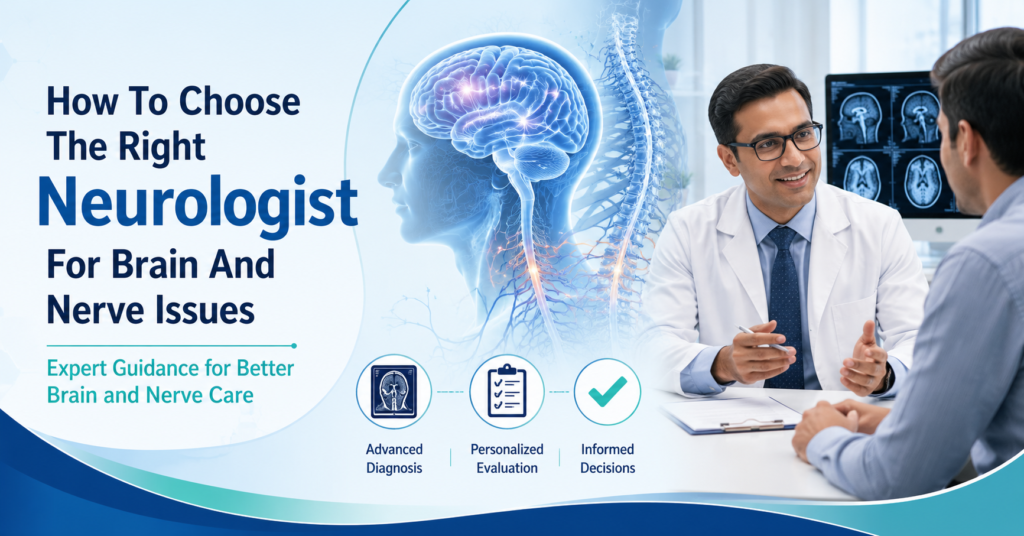
Problems with the brain and nerves can be complicated, because the symptoms are not always obvious at first. A headache, dizziness, numbness, memory trouble, physical weakness, or tingling sensation can seem normal at first, but if these indicators keep recurring or start to disrupt your everyday routine, it is advisable to have a consultation from an expert. Selecting the correct neurologist can enable you to get the proper diagnosis, prompt treatment, and better guidance for the disorders associated to the brain, spine, nerves, and muscles.
A neurologist is a doctor who specializes in diagnosing and treating problems of the neurological system. Including brain, spinal cord, muscles and nerves. People often see a neurologist for migraine, epilepsy, stroke, Parkinson’s disease, nerve pain, memory loss, tremors, convulsions, dizziness or balance problems. The right doctor doesn’t just treat the symptoms but strives to grasp the root of the problem as well.
Get to Know Your Symptoms
It can be helpful to study your symptoms carefully before choosing a neurologist. Are your headaches becoming more frequent? Are you experiencing numbness or tingling in your hands or feet? Do you suddenly feel faint, dizzy, shaky, have seizures or issues with memory? These details help a lot in the consultation.
It can also help to note when the symptoms began, how often they occur and if they are becoming more severe. For example, a sudden headache here and there may not be a concern, but if headaches are regular or severe, they should be taken seriously. Similarly, abrupt weakness, loss of speech, loss of balance or seizures necessitate immediate medical intervention.
Review the Doctor’s Experience
Experience matters in neurology. Many disorders of the brain and nerves require meticulous evaluation. When picking a neurologist, consider the doctor’s experience and the kind of neurological disorders he or she most frequently treats.
Some neurologists may have a lot of experience in stroke care, while others may spend more time working with patients with migraine, epilepsy, Parkinson’s disease, memory issues or nerve abnormalities. If you already know what ailment you have, then you are better off finding a doctor who has experience in that particular field.
For example, if someone is suffering from recurring headaches, epilepsy, nerve weakness or symptoms associated to a stroke, then the Best Neurologist in Jaipur can assist them receive the right counsel and a suitable treatment plan without any needless delay.
Seek Proper Testing and Diagnosis Facilities
Many neurological disorders require a careful diagnosis. A good neurologist will not hurry with treatment. Your doctor will first listen to your symptoms, review your medical history, do a physical and neurological assessment, and then only recommend testing if necessary.
Depending on your situation, the doctor may suggest MRI, CT scan, EEG, EMG, nerve conduction study, blood tests or other studies. These tests are used to find the cause of symptoms such as numbness, weakness, tremor, seizures, balance problems or memory problems.
When choosing a neurologist, it is useful to check if the clinic or hospital offers reliable diagnostic facilities. It saves time and helps the treatment to flow better.
Communication Has To Be Clear And Comfortable
A excellent neurologist should be qualified and easy to communicate with. Symptoms affecting the brain and nerves can be frightening, especially when patients don’t comprehend what is occurring within their bodies. The right doctor will listen calmly, explain the situation in simple terms and guide you clearly about what to do next.
Listen to how the doctor speaks during your consultation. Do they answer your queries correctly? Do they tell you why the test is necessary? Do they talk about the therapy options? “They tell you which symptoms to take seriously, do they? These little things make a great difference since medical therapy is not just about drugs, it is also about trust.
Read patient reviews thoroughly
Patient reviews can give you an idea of what the general experience of other people is. Reviews can give you a sense of the doctor’s bedside manner, wait times, office environment, staff assistance and your experience with treatment. But reviews shouldn’t be the only deciding factor.
Search for common patterns. If plenty of patients feel the doctor listens well, explains properly and gives correct counsel, it’s a good sign. Always balance evaluations with the doctor’s qualifications, experience and your own comfort following consultation.
Reviews can also help you shortlist the Best Neurologist in Jaipur for your brain and nerve related concerns especially when you want a specialist that offers both experience and patient friendly care if you are looking nearby.
Post Support Check
Many neurological disorders require routine follow-up. Some problems, such as migraine, epilepsy, Parkinson’s disease, neuropathy, stroke recovery and memory issues may need long term care. Some medicines may have to be changed if you get better, have side-effects, or develop new symptoms.
That is why follow up support matters. Select a neurologist who is available for review visits and knows how to handle changes in your symptoms. Your doctor will follow up on your progress and alter treatment as needed . Good treatment plans work better.
Never Ignore Serious Symptoms
Many patients delay seeing a neurologist because they think the symptoms will go away by themselves. Occasional mild symptoms may heal, but don’t dismiss symptoms that recur or get worse.
Call for medical aid if you have sudden weakness, severe headache, seizures, slurred speech, lose consciousness, abrupt vision issues, confusion, or trouble walking. Early diagnosis can be a real game-changer for many neurological diseases. It can reduce symptoms, avoid problems and enhance quality of life.
Conclusion
Selecting the proper neurologist is not about choosing a popular name. It’s crucial choosing a specialist with the necessary experience, who listens carefully, explains properly and provides proper diagnosis based treatment plan. Brain and nerve issues need immediate care. If your symptoms are frequent, strange, or disrupting daily life, contacting a neurologist can be the correct step towards improved health.
FAQs
1. When should I see a neurologist?
Frequent headaches Seizures Dizziness Numbness Tingling Weakness Tremors Memory loss Balance problems Nerve pain that doesn’t get better You need to see a neurologist if you experience any of these symptoms.
2. What does a neurologist do?
A neurologist is a doctor who treats health problems of the brain, spinal cord, nerves and muscles. This may be migraine, epilepsy, stroke, Parkinson’s disease, neuropathy, tremors, and memory difficulties.
3. When do you need a neurologist for a headache?
See a neurologist if you have a severe headache, a sudden or regular headache, or a headache with vomiting, visual problems, weakness, disorientation, or dizziness.
4. What do I need to bring to my first neurology appointment?
Bring with you your prior medical reports, test results, current prescriptions and a little note of your symptoms, including when they started and how often they occur.
5. Are nerve issues treatable?
Depending on the cause, a lot of nerve disorders can be treated with a correct diagnosis, drugs, lifestyle modifications, physiotherapy or other treatments.









Leave a Reply