






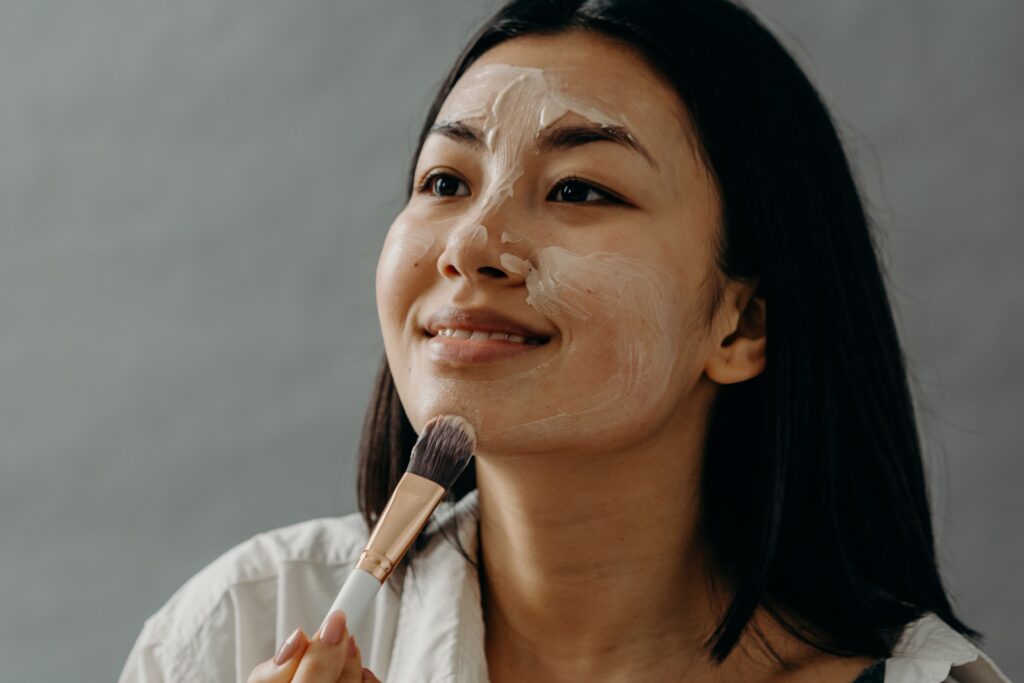
Healthy, youthful-looking skin depends on many biological processes, but collagen production remains one of the most important. As the body’s most abundant structural protein, collagen provides firmness, elasticity, and resilience. Over time, natural aging and environmental factors reduce collagen levels, making the skin appear thinner and less vibrant. Understanding how collagen works can help you make informed choices for long-term skin health.
Understanding Collagen and Its Role in Skin Health
Collagen is a protein made up of amino acids that forms a supportive framework beneath the skin’s surface. It acts as the foundation that helps maintain firmness while supporting the skin’s natural elasticity. Together with elastin and hyaluronic acid, collagen contributes to a smooth, hydrated, and youthful appearance.
The body naturally produces collagen through specialized cells known as fibroblasts. These cells combine amino acids with nutrients such as vitamin C, zinc, and copper to create strong collagen fibers. During youth, collagen production is highly active, allowing the skin to recover efficiently from daily stress and maintain a healthy texture.
As people age, collagen synthesis gradually slows. Beginning in early adulthood, the body starts producing less collagen each year. Existing collagen fibers also become weaker and less organized, leading to visible changes such as fine lines, wrinkles, and reduced skin firmness. This natural decline makes preventive skin care increasingly important.
Factors That Influence Collagen Production
Natural Aging
Age remains the most significant factor affecting collagen production. Fibroblasts become less active over time, reducing the body’s ability to replace damaged collagen fibers. The result is skin that appears thinner, drier, and more susceptible to wrinkles.
Hormonal changes can also accelerate collagen loss. Reduced hormone levels during certain life stages may contribute to decreased skin density and elasticity, making supportive skin care practices even more valuable.
Environmental Stressors
External factors often speed up collagen breakdown. Prolonged exposure to ultraviolet radiation generates free radicals that damage collagen fibers and interfere with the skin’s repair mechanisms. This process, commonly referred to as photoaging, is responsible for many visible signs of premature aging.
Pollution, cigarette smoke, and repeated exposure to environmental toxins can also contribute to oxidative stress. These factors increase inflammation within the skin and weaken the structural proteins responsible for maintaining firmness and smoothness.
Lifestyle Choices
Daily habits significantly influence long-term collagen health. A balanced diet rich in lean protein, fruits, vegetables, and healthy fats provides essential nutrients required for collagen synthesis. Adequate hydration also supports healthy skin function by maintaining moisture balance.
Poor sleep, chronic stress, excessive alcohol consumption, and diets high in refined sugars may negatively affect collagen. Elevated sugar intake can contribute to glycation, a process that damages collagen fibers and reduces their flexibility over time.
The Science Behind Stimulating Collagen Production
The body possesses remarkable regenerative abilities when provided with the right conditions. Modern skin care focuses not only on protecting existing collagen but also on encouraging the body’s natural repair processes.
Controlled skin stimulation activates fibroblasts, encouraging them to produce fresh collagen and elastin. This natural healing response helps improve skin texture, firmness, and overall appearance over time. One example is microchanneling in Utah, which creates controlled micro-injuries designed to trigger the body’s regenerative response while supporting collagen remodeling.
It is important to understand that collagen remodeling is gradual. Unlike temporary cosmetic improvements, new collagen develops over several weeks and continues to mature for months after treatment. Consistency and proper aftercare play important roles in achieving lasting improvements.
Nutritional Support for Healthy Collagen Production
Nutrition provides the building blocks necessary for collagen formation. Protein-rich foods supply amino acids such as glycine, proline, and hydroxyproline, which serve as essential components of collagen fibers.
Vitamin C deserves particular attention because it plays a critical role in collagen synthesis. Without sufficient vitamin C, the body cannot efficiently produce stable collagen molecules. Citrus fruits, berries, bell peppers, and leafy greens are excellent dietary sources that support this process.
Minerals including zinc and copper also contribute to healthy collagen formation. These nutrients help activate enzymes responsible for creating strong collagen structures. Omega-3 fatty acids may further benefit skin by supporting the natural moisture barrier and reducing inflammation that can contribute to collagen degradation.
Maintaining a balanced eating pattern over time often provides greater benefits than relying on any single supplement or dietary trend. A nutrient-rich diet supports overall skin health while promoting the body’s natural regenerative processes.
Daily Habits That Help Preserve Collagen
Protecting collagen is just as important as encouraging new production. Daily sun protection remains one of the most effective ways to reduce premature collagen breakdown. Wearing protective clothing, seeking shade during peak sunlight hours, and using broad-spectrum sunscreen consistently help minimize ultraviolet damage.
Gentle skin care practices also contribute to healthier-looking skin. Cleansing without excessive irritation, maintaining adequate hydration, and avoiding overly harsh exfoliation help preserve the skin’s natural barrier. A healthy barrier supports the environment necessary for efficient repair and collagen maintenance.
Quality sleep allows the body to perform many restorative functions, including tissue repair. During sleep, growth-related processes help regenerate skin cells and support collagen synthesis. Managing stress through regular exercise, relaxation techniques, and sufficient rest may also reduce inflammation that contributes to premature aging.
Finally, avoiding smoking offers substantial benefits for collagen preservation. Chemicals found in tobacco products restrict blood flow, reduce oxygen delivery to skin tissues, and accelerate collagen destruction. Eliminating these exposures supports healthier skin function over the long term.
Conclusion
Collagen serves as the structural foundation for firm, resilient, and healthier-looking skin. While natural aging gradually reduces collagen production, informed lifestyle choices, proper nutrition, consistent sun protection, and treatments that encourage the body’s natural repair response can help support long-term skin health. Understanding the science behind collagen empowers you to make decisions that promote stronger, more radiant skin for years to come.









Leave a Reply