






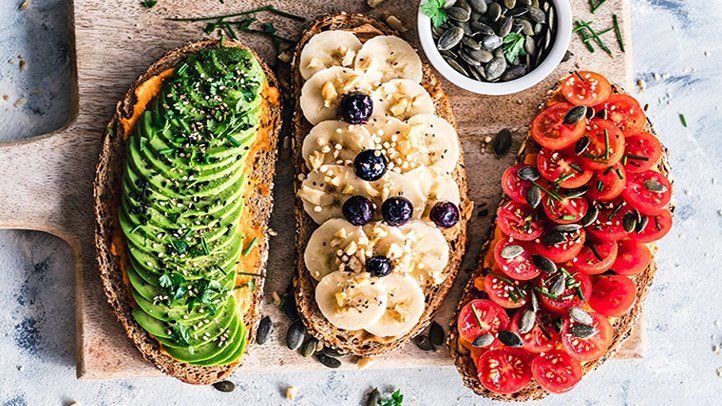
Pregnancy brings significant nutritional changes. The foods a woman eats during this period help support her own health while providing nutrients needed for the baby’s growth and development.
However, healthy eating during pregnancy does not mean following an unnecessarily restrictive diet or simply eating much more food. The focus should be on variety, nutritional quality, food safety and individual medical needs.
A useful approach is:
Variety → Nutrient Density → Food Safety → Appropriate Supplements → Hydration → Individual Medical Guidance
Every pregnancy is different. Nutritional requirements can be influenced by the stage of pregnancy, pre-pregnancy weight, dietary pattern, medical history, multiple pregnancy and conditions such as anaemia or gestational diabetes.
For that reason, general nutrition guidance should complement—not replace—individual antenatal care.
Why Nutrition Matters During Pregnancy
Pregnancy increases the body’s need for several nutrients that support maternal health, placental function and fetal development.
A balanced pregnancy diet should provide an appropriate combination of:
- Protein
- Carbohydrates
- Healthy fats
- Fibre
- Vitamins
- Minerals
- Fluids
No single food provides everything required during pregnancy. Dietary variety therefore matters.
Rather than searching for one “perfect pregnancy food,” think in terms of building a balanced eating pattern across the day and week.
Healthy Pregnancy Nutrition = Balanced Diet + Appropriate Supplementation + Antenatal Monitoring
Build a Balanced Pregnancy Diet
A healthy pregnancy diet can include foods from several major groups.
The exact quantity required varies between individuals, so portions should be appropriate for the woman’s nutritional needs, health and stage of pregnancy.
Fruits and Vegetables
Fruits and vegetables provide vitamins, minerals, fibre and a wide range of other nutrients.
Try to include different colours and varieties rather than repeatedly eating only one or two types.
Examples can include:
- Leafy green vegetables
- Carrots
- Tomatoes
- Beans and peas
- Citrus fruits
- Bananas
- Apples
- Guava
- Berries
- Seasonal local fruits and vegetables
Fresh produce should be washed thoroughly under clean running water before eating, peeling or preparing it.
Raw fruits and vegetables should also be kept separate from raw meat, poultry, fish and other potential sources of contamination during food preparation.
Protein-Rich Foods
Protein contributes to the growth and maintenance of maternal tissues and supports fetal growth and development.
Depending on dietary preference, protein sources can include:
- Dal and lentils
- Beans and chickpeas
- Eggs
- Milk and dairy products
- Paneer
- Nuts and seeds
- Soy foods
- Fish
- Poultry
- Lean meat
For women following vegetarian diets, combining a variety of pulses, legumes, dairy or appropriate alternatives, nuts, seeds and other protein-rich foods can help create a nutritionally varied diet.
Whole Grains and Fibre
Whole grains can provide carbohydrates, fibre and important micronutrients.
Options can include:
- Whole-wheat roti or chapati
- Oats
- Brown rice
- Millets
- Barley
- Other whole-grain cereals
Fibre-containing foods, together with adequate fluid intake, may also help women who experience constipation during pregnancy.
Milk and Dairy Products
Pasteurized milk, curd, paneer and other appropriate dairy foods can provide protein and calcium.
Women who cannot or choose not to consume dairy should discuss suitable alternatives with their healthcare professional, particularly if calcium or other nutrient intake may be inadequate.
Avoid milk and dairy products that have not been appropriately pasteurized because of the risk of foodborne infection.
Nuts and Seeds
Nuts and seeds can contribute protein, healthy fats, fibre and micronutrients.
Options may include:
- Almonds
- Walnuts
- Peanuts
- Sesame seeds
- Chia seeds
- Pumpkin seeds
They can be incorporated into meals or snacks in appropriate portions unless an allergy or other medical reason requires avoidance.
Important Nutrients During Pregnancy
A balanced diet is the foundation of pregnancy nutrition, but certain nutrients deserve particular attention.
Folate and Folic Acid
Folate is important during pregnancy, particularly around conception and early fetal development.
Folic acid is the form commonly used in supplements and fortified foods. International guidance recommends folic acid around conception and during early pregnancy to help reduce the risk of neural-tube defects.
Women who are pregnant, planning pregnancy or could become pregnant should discuss appropriate folic-acid supplementation with their healthcare professional.
Some women may require different doses because of their medical history, medications or other risk factors, so supplement doses should not be self-prescribed based solely on general internet advice.
Iron
Iron requirements increase during pregnancy because maternal blood volume expands and iron is needed for both mother and developing baby.
Iron deficiency can contribute to anaemia, which is an important maternal-health concern.
Indian antenatal programmes include iron and folic-acid supplementation as part of pregnancy care. The appropriate regimen can depend on whether supplementation is preventive or whether anaemia has already been identified.
Iron-rich foods can include:
- Pulses and lentils
- Beans
- Leafy green vegetables
- Iron-fortified foods
- Eggs
- Meat, where consumed
- Other locally available iron-containing foods
Diet is important, but women should take iron and folic-acid supplements according to the recommendations of their antenatal healthcare team rather than replacing prescribed supplementation with food alone.
Calcium
Calcium contributes to maternal bone health and fetal skeletal development.
Sources can include:
- Milk
- Curd
- Paneer
- Certain fortified foods
- Some green vegetables
- Sesame and other appropriate foods
Calcium supplementation is also incorporated into maternal-health programmes in India. Individual requirements and supplement timing should be discussed during antenatal care.
Vitamin B12, Vitamin D and Iodine
Vitamin B12, vitamin D and iodine also play important roles during pregnancy.
Women following vegetarian or vegan diets may need particular attention to vitamin B12 intake, while vitamin D and iodine status can depend on diet, supplementation and individual circumstances.
Rather than routinely taking multiple supplements without guidance, discuss nutritional needs with your obstetrician, gynecologist or another appropriately qualified healthcare professional.
More Supplements ≠ Better Pregnancy Nutrition
Some vitamins and minerals can be harmful in inappropriate amounts.
Healthy Fats and Fish During Pregnancy
Fish does not need to be automatically avoided during pregnancy.
Properly selected and thoroughly cooked fish can provide protein and nutrients including beneficial fatty acids. International food-safety guidance recommends choosing fish that are lower in mercury while avoiding species known to contain high mercury levels.
Local fish species and contamination patterns vary, so women in India should consider locally relevant food-safety guidance when choosing seafood.
Raw or undercooked fish and shellfish should be avoided because they can carry harmful microorganisms or parasites.
The important principle is:
Choose Appropriate Fish → Consider Mercury → Cook Thoroughly → Eat as Part of a Varied Diet
Women who do not eat fish can still have a healthy pregnancy. Other foods can provide protein and essential nutrients, although individual dietary adequacy should be considered.
Stay Hydrated
Adequate fluid intake supports normal body functions and can be particularly important during pregnancy.
Water should generally be the main source of hydration.
Fluid requirements vary according to factors such as:
- Weather
- Physical activity
- Diet
- Body size
- Stage of pregnancy
- Vomiting or illness
- Individual medical conditions
Women living in hot climates may need particular attention to hydration.
Rather than relying on a universal number for everyone, drink regularly and discuss unusual thirst, persistent vomiting, dehydration or medically required fluid restrictions with a healthcare professional.
Foods and Drinks to Avoid or Limit During Pregnancy
Food safety becomes particularly important during pregnancy because some foodborne infections can have serious consequences for the mother or developing baby.
Avoid Alcohol
The safest approach is to avoid alcohol during pregnancy.
If alcohol was consumed before realizing you were pregnant and you are concerned about possible effects, discuss this with your healthcare professional rather than relying on online risk estimates.
Avoid Raw or Undercooked Animal Foods
Raw or inadequately cooked meat, poultry, seafood and eggs can expose people to harmful bacteria, parasites or other microorganisms.
Use safe preparation and cooking practices and avoid cross-contamination between raw foods and foods that are ready to eat.
Avoid Unpasteurized Milk and Unsafe Dairy Products
Unpasteurized milk and products made from it can carry harmful bacteria.
Check labels and choose appropriately pasteurized products.
Limit Caffeine
Caffeine is found not only in coffee but also in tea, cola, energy drinks, chocolate and some medicines or supplements.
Widely used pregnancy guidance recommends limiting caffeine to no more than 200 mg per day.
The caffeine content of drinks can vary considerably according to serving size, preparation and product.
Women who regularly consume several caffeinated drinks should therefore consider their total daily intake, rather than counting only cups of coffee.
Limit Foods High in Added Sugar, Salt and Unhealthy Fats
Foods high in added sugars, excessive salt or less healthy fats can be eaten less frequently in favour of more nutrient-dense foods.
Pregnancy does not require a completely “perfect” diet. The objective is to make nutritious foods the foundation of everyday eating.
Food Safety During Pregnancy
Healthy ingredients are only beneficial when they are handled safely.
A simple food-safety framework is:
Choose Safely → Wash → Separate → Cook → Store Properly
Wash fruits and vegetables thoroughly.
Keep raw meat, poultry and seafood separate from ready-to-eat foods.
Use clean utensils and preparation surfaces.
Cook foods thoroughly where required.
Refrigerate perishable foods appropriately and avoid food that has been stored unsafely.
Food-safety recommendations can vary between countries because available foods and production practices differ. When uncertain about a specific food, check current local public-health or medical guidance.
Pregnancy Nutrition for Vegetarians and Vegans
A well-planned vegetarian diet can include many nutritious pregnancy foods.
Useful options include:
- Dal
- Lentils
- Chickpeas
- Beans
- Milk and curd
- Paneer
- Nuts and seeds
- Soy products
- Whole grains
- Vegetables and fruits
However, simply removing meat does not automatically create a nutritionally balanced diet.
Vegetarian and particularly vegan pregnancies may require additional attention to nutrients such as:
- Protein
- Iron
- Vitamin B12
- Calcium
- Vitamin D
- Iodine
- Omega-3 fatty acids
Women following restrictive diets should discuss their nutritional pattern and supplements with an appropriately qualified healthcare professional.
Dietary Preference + Nutritional Planning = Better Pregnancy Nutrition
Do You Really Need to “Eat for Two”?
Pregnancy increases nutritional needs, but the popular phrase “eating for two” can be misleading if interpreted as simply doubling food intake.
The goal is not to eat twice as much of everything.
Instead, pregnancy nutrition should emphasize the quality and variety of food while ensuring that energy and nutrient requirements are appropriately met as pregnancy progresses.
A more useful principle is:
Nutrient Quality > Simply Eating More
Individual energy requirements depend on several factors, including pre-pregnancy weight, activity level, stage of pregnancy and whether the pregnancy involves more than one baby.
Your antenatal healthcare team can provide individualized guidance when weight gain or nutritional intake requires closer monitoring.
Managing Common Pregnancy Symptoms Through Diet
Pregnancy can affect appetite, digestion and food tolerance.
Nausea and Vomiting
Some women find smaller, more frequent meals easier to tolerate than large meals.
Keeping hydrated is particularly important when vomiting occurs.
Persistent vomiting, inability to keep fluids down, signs of dehydration or significant weight loss require medical assessment.
Constipation
Fibre-rich foods, adequate fluid intake and appropriate physical activity may help support normal bowel function.
Suddenly increasing fibre without sufficient fluids may not be helpful, so dietary changes should be gradual.
Heartburn
Some women find that smaller meals, avoiding lying down immediately after eating and identifying individual trigger foods can help.
Persistent or severe symptoms should be discussed with a healthcare professional.
When Pregnancy Diet Needs Individual Medical Guidance
General pregnancy nutrition advice is not appropriate for every medical situation.
Individual dietary guidance can become particularly important with:
- Gestational diabetes
- Anaemia
- High blood pressure
- Multiple pregnancy
- Significant nausea or vomiting
- Food allergies or intolerances
- Underweight or obesity
- Thyroid or other medical conditions
- Previous pregnancy complications
- Vegetarian or vegan diets with potential nutritional deficiencies
For example, a woman with gestational diabetes may require a more individualized approach to carbohydrate intake and meal patterns, while someone with anaemia may require assessment and treatment beyond simply adding iron-rich foods.
This is why:
General Nutrition Guidance ≠ Individual Medical Nutrition Therapy
Antenatal appointments provide an opportunity to discuss diet, weight, supplements, test results and any symptoms affecting nutritional intake.
Simple Principles for Everyday Pregnancy Nutrition
Pregnancy nutrition does not need to become an exhausting collection of food rules.
A practical everyday approach is to:
- Eat a varied diet
- Include vegetables and fruits regularly
- Include appropriate protein sources
- Choose whole grains and fibre-containing foods
- Include calcium-rich foods
- Drink adequate fluids
- Follow prescribed supplement recommendations
- Limit caffeine
- Avoid alcohol
- Follow pregnancy food-safety guidance
- Avoid self-prescribing unnecessary supplements
- Discuss special dietary needs with your healthcare professional
The overall goal is:
Nourish → Protect → Monitor → Adjust
Final Thoughts
Healthy eating during pregnancy is about more than choosing a list of “good foods” and avoiding a list of “bad foods.”
A balanced pregnancy diet combines nutritional variety, appropriate protein and energy, essential vitamins and minerals, adequate hydration and careful food safety.
Micronutrients such as folate, iron and calcium deserve particular attention, but supplements should be used according to appropriate antenatal guidance rather than assuming that more is always better. India’s maternal-health guidance specifically includes iron and folic-acid supplementation as an important component of pregnancy care.
At the same time, pregnancy diets should remain practical and culturally appropriate. Dal, pulses, whole grains, vegetables, fruits, dairy or suitable alternatives, nuts, seeds and appropriately selected protein foods can all contribute to a balanced eating pattern.
Most importantly, every pregnancy is different.
Healthy Diet + Food Safety + Appropriate Supplements + Antenatal Care
provides a much stronger foundation than following restrictive diets, social-media trends or generalized meal plans without considering individual health needs.
If you have concerns about pregnancy nutrition, supplements, weight gain, persistent vomiting, anaemia, gestational diabetes or other dietary issues, discuss them with your obstetrician, gynecologist or another appropriately qualified healthcare professional.
Medical Disclaimer
This article is intended for general educational purposes only and does not provide individual medical, nutritional or obstetric advice. Nutritional and supplement requirements during pregnancy vary according to individual circumstances, medical history, medications, test results and stage of pregnancy. Always follow the advice of your treating healthcare professional and current local antenatal-care guidance.
Contributor Resource
Dr. Pankhuri Gautam — a gynecologist based in Jaipur providing women’s health, antenatal and pregnancy-care services. Dr. Pankhuri Gautam
The Contributor Resource is provided for transparent attribution. Readers should independently assess healthcare providers and seek individualized medical advice appropriate to their circumstances.









Leave a Reply