






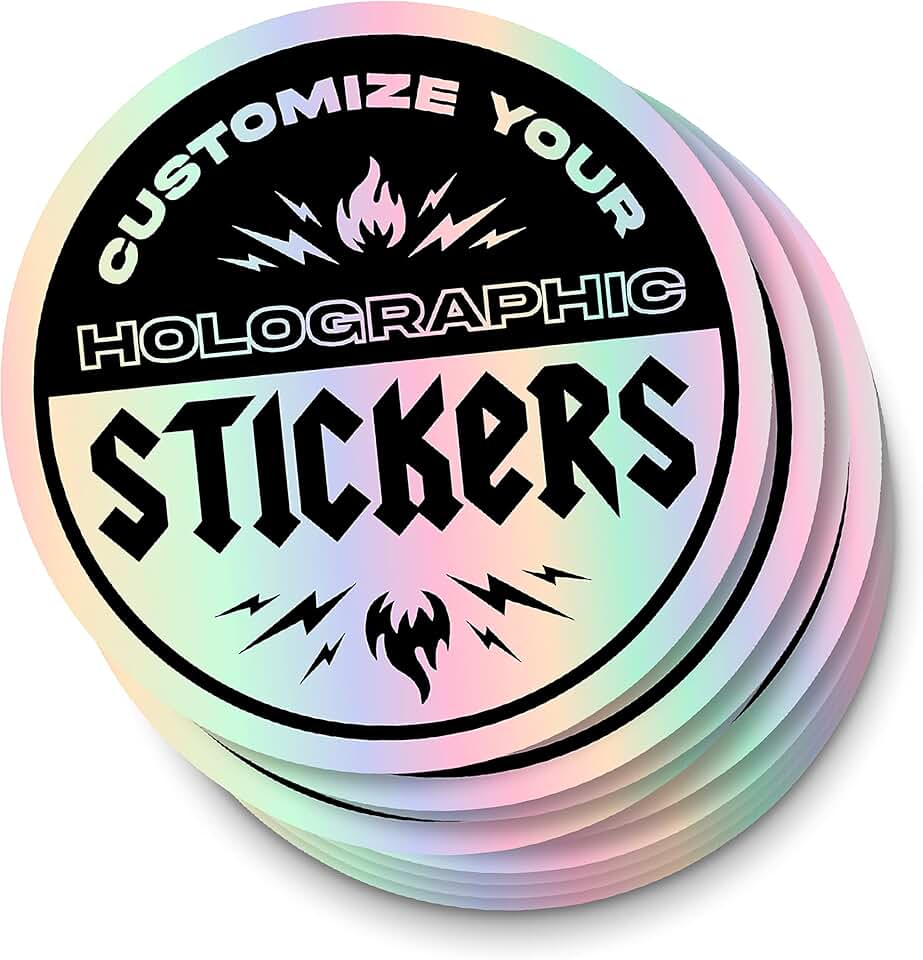
In the IT asset management world, we talk a lot about “circular economies” and “e-waste reduction.” But there is a secondary challenge that often gets overlooked: how do you maintain a premium brand image when you are redeploying or refurbishing older hardware? Whether you are an ITAD (IT Asset Disposition) specialist or a startup scaling with recycled gear, the physical appearance of your hardware matters.
This is where professional sticker printing becomes a tactical necessity. It’s not just about “covering up a scratch”—it’s about professionalizing an asset’s second life. A well-placed, high-durability decal can turn a generic, refurbished laptop into a branded corporate asset that feels brand new to the end user.
The Engineering of a “Second Life” Label
When we think of stickers in a tech context, we aren’t talking about paper labels that peel off at the first sign of heat. We are talking about industrial-grade vinyl. If you are refurbishing high-end workstations or servers, the branding needs to be as resilient as the hardware itself.
One of the biggest shifts in the industry is the move toward precision die-cutting. Instead of a clunky, rectangular sticker that looks like an afterthought, businesses are opting for Custom Shape Stickers Melbourne. By cutting the sticker to the exact contour of a logo or a specific hardware port, the branding looks integrated. It looks like it was factory-fitted, which is essential for maintaining a “premium” feel in the secondary market.
Why Material Choice is a Technical Decision
In the IT world, hardware gets warm. It gets moved in and out of docks. It gets cleaned with isopropyl alcohol. If your sticker printing isn’t up to spec, those labels will bubble, fade, or leave a sticky residue that actually devalues the equipment.
Professional-grade vinyl production offers a few key technical advantages:
- Heat Resistance: High-quality adhesives won’t “creep” or melt when a laptop’s GPU starts working overtime.
- UV Protection: If your equipment sits in a sunny office, UV-resistant inks ensure the company logo doesn’t fade into a ghostly grey after six months.
- Surface Compatibility: There is a science to matching the adhesive to the substrate—whether it’s the brushed aluminum of a MacBook or the textured plastic of a ThinkPad.
The “Phygital” Asset Tag: Stickers as Data Portals
For IT managers, the coolest application of modern printing is the “Smart Asset Tag.” By integrating high-contrast QR codes into your Custom Shape Stickers, you turn a simple brand mark into a functional tool.
Imagine a refurbished server where a technician can simply scan a sticker to pull up its entire maintenance history, original specs, or the recycling instructions for its eventual end-of-life. This “Phygital” approach bridges the gap between the physical asset and your digital inventory management system. It makes the “recycle” part of IT-Recycle significantly more efficient.
Sustainability: The Ingredient That Matters
Since we are talking about recycling, we have to talk about the environmental footprint of the printing itself. In 2026, the industry has moved toward eco-solvent inks and recyclable liners.
When you source your Custom Shape Stickers Melbourne, you can now choose materials that don’t interfere with the eventual recycling of the plastic casing they are attached to. Using “repulpable” adhesives or PVC-free films ensures that while you are extending the life of your hardware today, you aren’t creating a recycling headache for tomorrow.
The Strategic Choice of a Production Partner
You can’t just send a high-stakes corporate brand to a budget “sticker mill.” You need someone who understands color calibration. If your brand’s “Corporate Blue” comes out a shade too light, it creates a visual disconnect that makes the refurbished hardware look “cheap.”
A professional partner will help you choose between a matte finish (which hides fingerprints and scratches on old gear) and a high-gloss finish (which makes colors pop). They catch the small errors in the “bleed” or “cut lines” before the thousands of units are produced, ensuring your hardware rollout goes smoothly.
Conclusion: Small Detail, Big Impact
At the end of the day, IT recycling is about more than just keeping electronics out of landfills; it’s about proving that “used” doesn’t mean “inferior.” A high-quality sticker is the final touch that validates the quality of the refurbishing process.
By prioritizing professional sticker printing and leveraging the precision of custom-cut designs, you ensure that every piece of hardware—no matter how many lives it has lived—carries your brand with authority. In the circular economy, the things that “stick” are the ones that are built to last.









Leave a Reply