






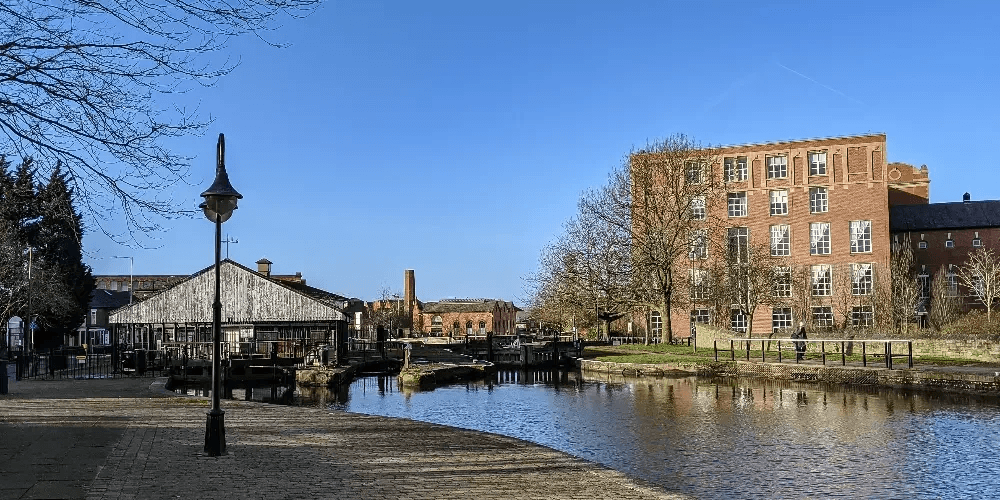
Introduction: A Town That Deserves Better Recognition
Solihull is easy to overlook. Most visitors to England’s Midlands focus their attention on Birmingham, the region’s major city, or rush through on their way to Stratford-upon-Avon and Shakespeare’s birthplace. Yet nestled just nine miles southeast of Birmingham city centre lies a town that combines the best of both worlds: genuine medieval heritage alongside modern convenience, quality parks and green spaces, and some of the most reliable transport connections in the region.
This article explores what makes Solihull distinctive, shares its compelling history, and explains why both leisure travellers and business professionals should consider spending more time here.
Understanding Solihull: Geography and Why Location Matters
Location and Accessibility
Solihull occupies a strategic position in the West Midlands. The town sits within the wider Birmingham metropolitan area, yet maintains its own distinct character and community identity. Its location carries significant practical advantages for visitors:
- Proximity to Birmingham Airport — Just minutes away by car, making it an ideal base for international travellers
- Access to the National Exhibition Centre (NEC) and Resorts World — These major venues sit nearby, making Solihull popular with business visitors attending conferences and exhibitions
- Rail connections to Birmingham city centre — Regular trains connect Solihull directly to Birmingham in approximately fifteen minutes
- Road links to the wider Midlands — Easy access to major attractions including Warwick Castle, Stratford-upon-Avon, and the Black Country region
This combination of accessibility explains why Solihull works equally well as a base for business travel, family holidays, or weekend explorations of the wider region.
The Story Behind the Name: Medieval Origins and Early History
The name “Solihull” likely originates from Old English, with most historians suggesting it means something close to “muddy hill”—a reference to the heavy clay soils that made farming challenging in the area’s earliest days. It is an unglamorous origin, but an honest one that reveals much about how Solihull began: as a practical, working agricultural settlement rather than a grand estate or royal town.
Medieval Period and the Forest of Arden
Historical records place Solihull in the medieval period as a settlement on the edge of the Forest of Arden, a vast expanse of woodland that once covered much of Warwickshire and surrounding areas. For centuries, Solihull remained primarily agricultural, supporting the needs of local farming communities.
The introduction of improved transport links—particularly roads and railway connections—during the twentieth century transformed Solihull’s trajectory. What had been a quiet country town gradually became a commuter destination for workers employed in Birmingham and increasingly a town in its own right, with its own retail, business, and residential character.
Visible Reminders of Medieval Solihull
Despite centuries of change, visitors can still encounter the town’s older history:
- St Alphege Church — This beautiful medieval parish church sits at the heart of Solihull’s town centre. The building has survived the centuries remarkably well and provides insight into how the town functioned during the medieval and early modern periods.
- Tudor-style buildings — Walking through older parts of the town centre, you will spot buildings featuring Tudor architectural characteristics tucked between modern shops and contemporary cafes, serving as tangible reminders that Solihull’s story predates modern retail.
These physical reminders are valuable precisely because they anchor the town’s identity in history rather than allowing it to become simply another modern commercial centre.
Modern Solihull: A Town Balancing History with Progress
Contemporary Solihull embodies an interesting tension between its historical roots and modern identity.
The Character of Modern Solihull
The town centre has been significantly developed and modernised over recent decades, with new retail spaces, restaurants, and facilities reflecting contemporary standards. Yet this modernisation has not erased the historical character that makes the town distinctive.
Several factors contribute to Solihull’s current appeal:
Green Space and Environmental Quality
Solihull maintains an unusually strong commitment to green space for a town of its size. The area boasts seventeen Green Flag award-winning parks—a notably high number that reflects the local authority’s investment in outdoor spaces. This abundance of quality parks distinguishes Solihull from many comparable English towns, allowing residents and visitors alike to easily access nature and outdoor recreation without sacrificing urban convenience.
Affluence and Quality of Life
Solihull has developed a reputation as one of England’s more prosperous and pleasant towns. This reflects in the quality of local facilities, the upkeep of public spaces, and the overall character of the community. For visitors, this translates into reliable infrastructure, well-maintained attractions, and a generally positive experience.
Shopping and Retail Economy
The town has become known for reliable shopping facilities and a growing dining scene, attracting visitors from across the region.
Top Things to Do in Solihull
Touchwood Shopping Centre
Touchwood stands as Solihull’s primary shopping destination—a modern, well-organised shopping centre featuring both established high street retailers and independent shops. Beyond retail, the centre includes a good selection of restaurants, cafes, and entertainment options. For visitors accustomed to busy shopping environments, Touchwood offers a reasonably stress-free experience with clear navigation and adequate facilities.
What You’ll Find: Fashion retailers, homeware shops, electronics stores, beauty services, and food establishments ranging from casual cafes to more formal dining.
The National Motorcycle Museum
Located just outside Solihull, the National Motorcycle Museum houses what is widely regarded as the world’s largest collection of British motorcycles, with over one thousand bikes on display. The museum tells the story of British motorcycle engineering and design across numerous decades, making it valuable not only for motorcycle enthusiasts but also for anyone interested in British industrial heritage, engineering innovation, and design evolution.
The museum demonstrates how motorcycle design changed in response to technological innovation, market demands, and shifts in consumer preferences. Even visitors with limited interest in motorcycles often find the collection engaging and well-presented.
Practical Information:
Visit National Motorcycle Museum for current opening hours and admission details.
St Alphege Church
This medieval parish church is worth visiting for multiple reasons:
- Architectural significance — The building represents genuine medieval architecture that has survived remarkably intact
- Local history — The church provides insight into how Solihull was structured and functioned during the medieval and early modern periods
- Working community space — As an active parish church, St Alphege remains a functioning part of the local community rather than simply a historical artifact
Even visitors without particular religious interests often find value in understanding how the church reflects the social and economic organisation of its era.
Tudor Grange Park
Tudor Grange Park is one of Solihull’s most significant outdoor spaces. The park offers:
- A scenic lake suitable for quiet contemplation or wildlife observation
- Walking trails for exercise and leisure
- Picnic areas with appropriate facilities
- Sports facilities including tennis courts
- A skate park serving younger visitors
The park works equally well for families seeking active recreation, individuals wanting peaceful walks, or anyone simply looking to spend time outdoors in a well-maintained setting.
Packwood House and Baddesley Clinton: National Trust Properties
These two historic properties sit within short driving distance of Solihull’s town centre and offer visitors a deeper understanding of regional history extending back centuries.
Packwood House
Originally constructed as a modest Tudor farmhouse during the 1500s, Packwood House was later substantially restored and expanded. The property is particularly known for its distinctive garden featuring meticulously maintained clipped yews and its fine collection of tapestries.
Baddesley Clinton
Baddesley Clinton presents a more dramatic historical picture: a genuine moated manor house with roots extending over five hundred years into the past. The property includes a hidden priest hole—a concealed space dating to a period when Catholic worship had to be practised in secret for fear of persecution.
Why These Matter
Both properties sit on the edge of what remains of the ancient Forest of Arden, placing visitors in landscapes that have been inhabited and modified for centuries. Visiting these sites provides considerably more historical depth than attractions found in the town centre, making them worthwhile for anyone interested in understanding how people actually lived during earlier historical periods.
Earlswood Lakes: A Peaceful Retreat
Earlswood Lakes offer a quieter alternative to busier attractions. Originally constructed during the 1820s to supply water to the nearby canal system, the lakes remain surrounded by walking trails popular with both casual strollers and serious birdwatchers.
The original nineteenth-century engine house still stands as a listed building, serving as a tangible reminder of the Victorian-era engineering that created this water system. The area appeals particularly to anyone seeking peaceful outdoor time, nature observation, or simple respite from urban environments.
Dining and Food Culture in Solihull
Solihull’s dining scene has expanded significantly in recent years, offering options ranging from casual cafes to more formal restaurants.
Touchwood Shopping Centre remains a reliable starting point for dining convenience, with numerous restaurant chains and casual eating establishments concentrated in one location.
Beyond the shopping centre, the town features:
- Independent cafes scattered throughout the town centre and surrounding areas
- Traditional gastropubs offering food alongside proper outdoor seating areas
- International restaurants reflecting the region’s cultural diversity
- Informal family-friendly establishments
For visitors seeking relaxed outdoor dining during warmer months, several pubs on the town’s periphery provide garden seating and make reasonable efforts with food quality—an important consideration when planning meals.
Getting Around Solihull: Transport Options
Solihull’s transport connectivity represents one of its most significant practical advantages.
Air Travel
Birmingham Airport sits just minutes away by car or taxi. This proximity makes Solihull particularly convenient for:
- International travellers requiring airport access
- Business visitors attending regional exhibitions or meetings
- Families flying in or out of the Midlands region
Railway Services
Solihull benefits from reliable train connections to Birmingham city centre—approximately fifteen-minute journey times—and wider connections to other regional destinations. For visitors preferring not to drive or rent vehicles, train travel offers a reasonable alternative for reaching the town and exploring some surrounding areas.
Local Bus Services
Bus services operate throughout Solihull and connect to surrounding villages and towns, though frequency and coverage vary by route and time of day. Public transport works adequately for reaching central attractions but becomes less practical for visiting more distant sites like Packwood House, Baddesley Clinton, or Earlswood Lakes.
Private Transport and Driving
A personal vehicle or rental car provides the greatest flexibility, particularly if your itinerary includes National Trust properties or attractions scattered across the wider region. Driving is the most straightforward approach to building a varied itinerary involving multiple attractions.
When to Visit Solihull: Seasonal Considerations
Solihull works well as a destination throughout the year, though different seasons offer different advantages:
Spring and Summer
- Ideal for outdoor attractions like Tudor Grange Park and Earlswood Lakes
- Pleasant weather for exploring National Trust properties and their gardens
- Green spaces are at their most appealing
Autumn
- Quieter streets and reduced crowds
- Comfortable temperatures for walking and outdoor exploration
- Natural surroundings display seasonal colour changes
Winter
- Touchwood shopping centre offers climate-controlled retail and dining
- Appropriate season for indoor attractions like the National Motorcycle Museum
- Less crowded outdoor spaces for those who prefer quieter environments
There is no inherently “wrong” time to visit, only seasons that favour different types of activities.
Building Your Solihull Itinerary: Practical Suggestions
For a Day Visit:
- Morning: Explore the town centre and St Alphege Church
- Midday: Visit Touchwood for shopping and lunch
- Afternoon: Walk in Tudor Grange Park or visit the National Motorcycle Museum
For a Two-Day Visit:
- Day One: Town centre exploration, shopping, St Alphege Church
- Day Two: National Trust properties (Packwood House and/or Baddesley Clinton) or Earlswood Lakes
As a Regional Base:
- Use Solihull as your accommodation base
- Take day trips to Warwick Castle, Stratford-upon-Avon, or the Black Country Living Museum
- Return to Solihull for dining and evening relaxation
Wider Regional Attractions: Day Trips from Solihull
Solihull’s central location makes it an excellent base for exploring significant regional attractions:
Warwick Castle — One of England’s most impressive medieval castles, featuring extensive grounds, exhibitions, and living history experiences. Approximately twenty miles from Solihull.
Stratford-upon-Avon — Shakespeare’s birthplace, featuring historic buildings, literary attractions, and riverside walks. Approximately fifteen miles from Solihull.
The Black Country Living Museum — An open-air museum preserving industrial heritage and working-class life during the Industrial Revolution. Approximately ten miles from Solihull.
All three destinations are feasible as day trips from Solihull, with driving times generally between twenty and forty-five minutes depending on traffic conditions.
Why Solihull Deserves Your Attention
Solihull occupies an interesting position in England’s Midlands tourism landscape. It lacks the iconic status of nearby attractions like Stratford-upon-Avon or Warwick Castle, which means it receives less promotional attention despite offering genuine value.
The Real Appeal:
For business travellers, Solihull provides reliable accommodation, accessible transport connections, and proximity to major regional venues. For leisure visitors, the town offers a genuine combination of historical interest, quality outdoor spaces, shopping convenience, and access to wider regional attractions.
The essential point is simple: Solihull works. Transport connections are reliable, facilities are well-maintained, historical sites are genuinely interesting, and the town’s character feels authentic rather than artificially constructed for tourism purposes.
Final Thoughts: The Value of Slowing Down
It is easy to rush through Solihull on the way to somewhere else. Birmingham is busier and more obviously impressive. Stratford-upon-Avon trades on Shakespeare’s legacy. Warwick Castle offers dramatic medieval architecture.
Yet there is considerable value in stopping, spending actual time in a place, and discovering what it has to offer beyond the obvious tourist attractions.
Solihull’s strength lies precisely in this combination of reliability, accessibility, genuine history, quality parks, and convenient modern facilities. For business travellers, it reduces stress. For leisure visitors, it provides a calm base for exploration without sacrificing access to genuine attractions.
Planning ahead—particularly for transport, accommodation, and visits to more distant attractions—ensures a more enjoyable experience. But whether you’re spending a single day or a full weekend in Solihull, the town rewards visitors who take the time to look beyond first impressions.
Practical Planning Checklist
Before visiting Solihull, consider these practical points:
- Transport to Solihull — Arrange airport transfers in advance if flying into Birmingham Airport
- Accommodation — Book accommodation early, particularly during peak seasons
- National Trust properties — Check opening hours and admission requirements for Packwood House and Baddesley Clinton
- Weather planning — Check forecasts for outdoor attractions, particularly for Tudor Grange Park and Earlswood Lakes
- Dining reservations — Popular restaurants benefit from advance booking, particularly during evenings and weekends
- Vehicle rental — If visiting scattered attractions, consider whether vehicle rental offers better value than public transport and taxis
Sources and Further Information
- National Motorcycle Museum — https://www.nationalmotorcyclemuseum.co.uk/
- National Trust Properties — https://www.nationaltrust.org.uk/
- Packwood House — https://www.nationaltrust.org.uk/visit/warwickshire/packwood-house
- Baddesley Clinton — https://www.nationaltrust.org.uk/visit/warwickshire/baddesley-clinton
This article was researched and written to provide practical information for visitors considering Solihull as a travel destination. All information reflects current understanding, though visitors should verify current opening hours, admission prices, and transport schedules with official sources before planning specific visits.









Leave a Reply