






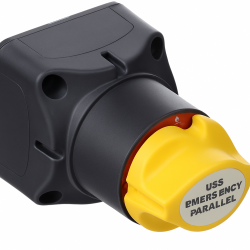
A well-designed marine electrical system needs more than just batteries and cables. Battery switches provide boat owners with a simple and effective way to control electrical power, isolate batteries, and manage different circuits onboard. Whether used on a small recreational boat or a larger cruising vessel, a properly selected battery switch can improve electrical organization, safety, and convenience.
What Are Battery Switches?
A battery switch is a manually operated electrical device installed between a battery and the boat’s electrical system. Its primary purpose is to control the flow of electrical power from one or more batteries to connected circuits.
Depending on the design, a switch may allow the user to turn a battery circuit on or off, select between separate battery banks, or combine batteries when additional starting power is required. Different switch configurations are available for different marine electrical systems.
Why Battery Switches Are Important
One of the main advantages of a battery switch is the ability to disconnect batteries when the boat is not in use. This can help prevent unwanted battery discharge caused by electrical equipment that continues to draw small amounts of power.
A switch can also provide a convenient way to isolate electrical systems during maintenance. Disconnecting the appropriate battery circuit before working on electrical equipment can reduce the risk of accidental short circuits.
For boats with multiple battery banks, a suitable switching system can make power management much easier.
Common Types of Battery Switches
Several types of marine battery switches are available. A simple ON/OFF switch is suitable for basic systems where one battery or battery bank needs to be connected or isolated.
Selector switches may offer multiple positions, allowing the operator to select one battery, another battery, or a combined configuration. These switches can be useful on boats with separate starting and house batteries.
Automatic or electronically controlled switching solutions may also be used in more advanced electrical systems. The appropriate type depends on the boat’s wiring design and electrical requirements.
Choosing the Right Battery Switch
When selecting a battery switch, it is important to consider the system voltage and maximum current. The switch must be rated to handle the electrical load safely, including the high current that may be required by an engine starter.
The number of batteries and circuits should also influence the choice. Boat owners should consider whether they need simple isolation, battery selection, or the ability to combine battery banks.
Marine-grade construction is particularly important because switches may be exposed to moisture, vibration, salt, and changing temperatures.
Installation and Safety
Battery switches should be installed according to the manufacturer’s instructions and the boat’s electrical system design. Cables must be appropriately sized, and connections should be secure and protected from corrosion.
The switch should be positioned where it is easy to access during normal operation and emergencies. At the same time, it should be protected from unnecessary exposure to water and physical damage.
Before modifying a boat’s electrical system, power should be safely isolated and appropriate circuit protection should be used. Complex installations should be handled by a qualified marine electrician.
Maintenance and Inspection
Regular inspection can help keep battery switches reliable. Check terminals and cable connections for corrosion, looseness, overheating, or damaged insulation. The switch should operate smoothly without excessive resistance or unusual heating.
Keeping connections clean and dry can improve long-term performance. If a switch shows signs of significant wear or damage, replacement is preferable to continuing to rely on a compromised component.
Conclusion
Battery switches are an important part of effective marine power management. They allow boat owners to control battery connections, isolate circuits, and manage multiple battery banks more conveniently. By selecting a switch with the correct current and voltage rating, installing it properly, and inspecting it regularly, boat owners can improve the reliability and safety of their electrical systems. For cruising, fishing, sailing, or recreational boating, a dependable battery switch provides simple and practical control over onboard power.










Leave a Reply