






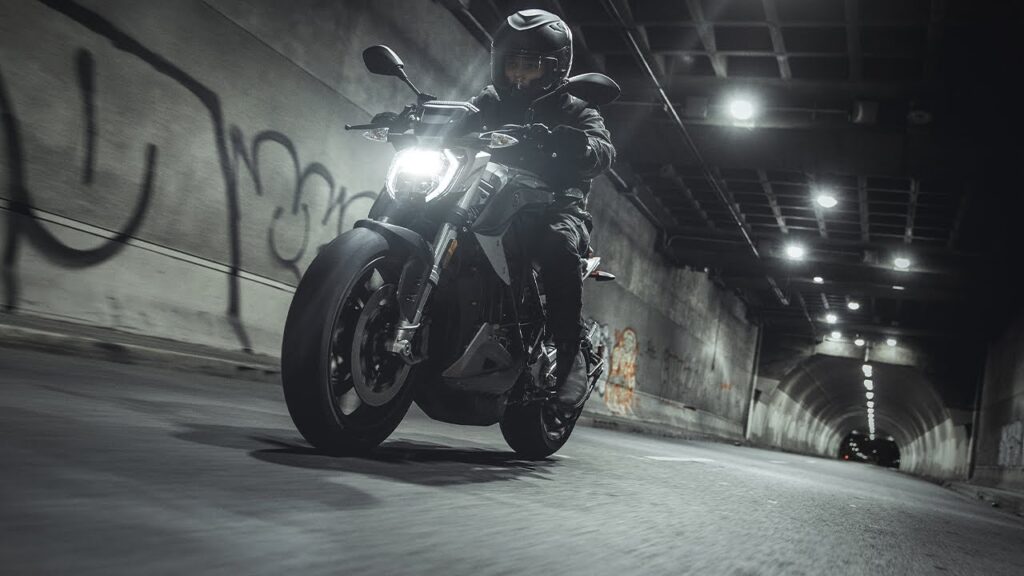
Learning to ride a motorcycle is exciting, but the first few months can also feel overwhelming. Throttle control, clutch operation, braking, shifting, traffic awareness, body position, and road conditions all demand attention at the same time.
The good news is that smooth, confident riding develops through practice, preparation, and good habits rather than trying to ride like an experienced motorcyclist from day one. Beginner riding resources and motorcycle touring guides can also help riders develop a broader understanding of trip preparation, road awareness, and responsible motorcycle travel.
For new riders, the objective should be simple: become comfortable, predictable, observant, and deliberate every time you get on the motorcycle.
Safety note: Motorcycle laws, licensing requirements, equipment standards, and road rules vary by jurisdiction. Riders should always follow the laws and official safety guidance applicable where they ride. Formal motorcycle training from qualified instructors is strongly recommended for new riders.
Learn Your Motorcycle Before Riding in Traffic
Every motorcycle handles differently. A lightweight commuter motorcycle can respond very differently from a heavier touring bike or a more powerful performance-oriented motorcycle.
Before entering busy traffic, spend time becoming familiar with your motorcycle and understanding how its controls respond.
Practice the Basic Controls
Make sure you can confidently locate and operate the:
- Clutch
- Throttle
- Front brake
- Rear brake
- Gear shifter
- Turn signals
- Horn
- Engine cutoff switch
You should be able to operate these controls without repeatedly looking down to find them.
Practice starting, stopping, and changing gears in a quiet and legally permitted environment. Work on releasing the clutch smoothly rather than rushing the process.
If the motorcycle stalls occasionally, remain calm. Stalling can be a normal part of learning while you develop coordination between the clutch and throttle.
You should also understand the motorcycle’s instrument panel. Learn to recognize important warning lights, fuel information, temperature indicators, and other displays before you need to interpret them while riding.
Get Comfortable With the Motorcycle’s Weight
Beginners often focus on riding at normal road speeds while underestimating the importance of low-speed motorcycle control.
Parking, U-turns, tight manoeuvres, starting on an incline, and moving the motorcycle manually can sometimes be more challenging than riding along an open road.
Practice low-speed riding and controlled stops in an appropriate environment. Develop the habit of looking where you want the motorcycle to travel rather than staring immediately in front of the wheel.
If possible, practice these techniques under qualified instruction. Good low-speed control can significantly improve your overall confidence with the motorcycle.
Build Smooth Throttle, Clutch, and Braking Control
Smooth control is one of the most valuable skills a new rider can develop.
Abrupt throttle, clutch, steering, or braking inputs can make a motorcycle less predictable, particularly on bends, uneven surfaces, or in poor weather.
Use the Throttle Gradually
Small movements of the throttle can produce noticeable changes in acceleration.
When pulling away, apply the throttle progressively while coordinating it with smooth clutch operation.
A useful beginner exercise is practicing gradual, consistent acceleration in a controlled environment. The goal is not maximum acceleration. Instead, concentrate on learning how the motorcycle responds to different control inputs.
With practice, these movements should become progressively smoother and more natural.
Develop Good Braking Skills
Braking should be controlled and deliberate.
Learn how the braking system on your particular motorcycle operates and become familiar with how the motorcycle responds during normal braking at different speeds and road conditions.
Looking farther ahead can give you more time to identify hazards and slow down progressively rather than braking suddenly at the last possible moment.
Emergency braking is another important skill, but it should ideally be developed through a recognized motorcycle training course or under qualified instruction in an appropriate controlled environment.
Practicing the correct technique before an emergency occurs can help riders develop better responses when faced with unexpected situations.
Look Far Ahead and Read the Traffic
Motorcyclists have considerably less physical protection than occupants of enclosed vehicles, making observation and anticipation especially important.
Avoid concentrating exclusively on the vehicle immediately ahead.
Instead, scan farther along the road and monitor:
- Traffic patterns
- Intersections
- Turning vehicles
- Pedestrians and cyclists
- Parked vehicles
- Road surfaces
- Traffic signals
- Junctions and driveways
- Potential escape routes
The earlier you identify a developing situation, the more time you have to respond safely.
Be Prepared for Drivers Who May Not See You
Never assume another road user has noticed your motorcycle simply because you can see their vehicle.
Be particularly cautious around intersections, vehicles changing lanes, cars turning across traffic, and vehicles entering the roadway.
Maintain appropriate space around your motorcycle whenever possible. Creating additional time and distance can give you more options if another road user makes an unexpected movement.
Avoid Remaining in Blind Spots
Try not to remain beside cars, buses, and trucks unnecessarily.
Larger vehicles can have substantial blind spots, and even smaller vehicles have areas where motorcycles may be difficult for drivers to see.
Position yourself where you can observe surrounding traffic clearly and where other road users have a reasonable opportunity to notice you.
Remember that being legally entitled to occupy a particular road position does not guarantee that another driver has seen you.
Learn Good Cornering Habits
Cornering can make new riders nervous, particularly when a bend is unfamiliar or tighter than expected.
Good cornering begins before entering the turn.
Approach bends at an appropriate speed, observe the road ahead, and avoid unnecessary sudden control inputs.
Look Through the Corner
Where you direct your attention matters.
Look through the bend toward your intended path rather than fixating on the edge of the road, an obstacle, or the pavement directly ahead.
Reducing speed appropriately before entering a corner gives you more time and control to negotiate the bend smoothly.
Cornering techniques can become more advanced as riding experience develops. Qualified motorcycle instruction can help beginners understand braking, steering, body position, visual techniques, and motorcycle dynamics in a controlled environment.
Wear Appropriate Motorcycle Safety Gear
Protective equipment should be considered part of riding rather than something reserved for long journeys or high-speed roads.
A properly fitted motorcycle helmet that meets the applicable safety requirements in your jurisdiction is one of the most important pieces of protective equipment.
When selecting a helmet, consider:
- Proper fit
- Recognized safety certification
- Visibility
- Ventilation
- Comfort
- Intended riding environment
Brand recognition alone does not determine whether a helmet is appropriate. The correct fit and applicable safety certification are more important.
Build a Complete Riding Gear Setup
Depending on local requirements and riding conditions, a sensible protective setup may include:
- A properly fitted certified motorcycle helmet
- Motorcycle jacket with appropriate protective features
- Riding gloves
- Motorcycle-specific or protective riding trousers
- Over-the-ankle motorcycle boots
- Weather-appropriate layers
- Rain protection when necessary
Comfort is important as well. Poorly fitting equipment can become distracting, especially during longer journeys.
Communication systems can be useful for navigation instructions or rider-to-rider communication, but they should be configured and used in a way that does not unnecessarily distract the rider.
Check Your Motorcycle Before Every Ride
Responsible riding starts before the motorcycle begins moving.
You do not necessarily need to perform an extensive mechanical inspection before every journey, but developing a consistent pre-ride check can help identify obvious problems.
Check Tires, Brakes, Lights, and Controls
Before riding, consider checking:
- Tire condition
- Tire pressure
- Brakes
- Lights
- Turn signals
- Mirrors
- Horn
- Controls
- Fluid leaks
- Warning indicators
Tire pressures should follow the motorcycle manufacturer’s recommendations for the relevant riding conditions and load.
Pay attention to anything unusual, including new noises, leaks, warning lights, vibrations, or changes in braking and handling.
If something does not seem right, investigate it rather than assuming the problem will disappear.
Keep Up With Regular Maintenance
Routine maintenance contributes directly to motorcycle reliability and safe operation.
Follow the manufacturer’s maintenance schedule for relevant components and systems, which may include:
- Engine oil
- Filters
- Brakes
- Tires
- Chain or drive system
- Battery
- Fluids
- Lights
- Other service items
Tires and brakes deserve particular attention because their condition directly affects traction, handling, and stopping performance.
If you are uncertain about a mechanical problem, have the motorcycle inspected by an appropriately qualified professional.
Avoid Riding When Your Ability Is Impaired
The motorcycle’s condition matters, but the rider’s condition matters just as much.
Avoid riding when alcohol, recreational drugs, or other substances impair your ability to operate the motorcycle safely.
Certain prescription or over-the-counter medications can also cause drowsiness, slower reactions, dizziness, or other effects that may make riding unsafe. Follow medical and medication guidance where applicable.
Fatigue is another important consideration. A tired rider may have reduced concentration and slower reactions.
Long journeys can also contribute to dehydration, physical discomfort, and reduced attention. Plan appropriate breaks and avoid continuing simply because you feel pressured to reach a destination.
If you are too tired, distracted, unwell, or otherwise unable to concentrate properly, delaying the ride can be the safer decision.
Avoid Common Beginner Riding Mistakes
New riders frequently make mistakes because they are trying to improve too many skills simultaneously.
Concentrate on developing one good habit at a time.
Don’t Let Confidence Become Excessive Speed
A common mistake occurs when a beginner starts feeling comfortable and interprets that confidence as a reason to ride faster.
Improving confidence should produce better judgment and smoother control, not unnecessary speed.
Maintain Appropriate Following Distance
Avoid following other vehicles or motorcycles too closely.
Additional space provides more time to respond if traffic suddenly slows, an obstacle appears, or another road user behaves unexpectedly.
Don’t Ride Beyond Your Ability to Keep Up With Others
Group rides can create subtle pressure to maintain someone else’s speed.
Do not allow another rider to pressure you into riding beyond your experience, comfort, or skill level.
Experienced riders should recognize that beginners may need more time and space. If a group is travelling faster than you are comfortable with, maintaining an appropriate pace is more important than trying to keep up.
Practice Different Conditions Gradually
Once you are comfortable with fundamental skills, gradually introduce yourself to different riding situations rather than attempting everything at once.
You might progress from:
- Controlled practice areas
- Quiet familiar roads
- Moderate traffic
- Longer journeys
- More complex road environments
- Different weather and visibility conditions when appropriate
The objective is gradual exposure, not deliberately seeking hazardous situations simply to gain experience.
Wet surfaces, gravel, strong winds, poor visibility, road debris, and unfamiliar terrain can all change how a motorcycle behaves and how much time a rider needs to respond.
When conditions exceed your ability or comfort level, reducing your pace, changing your route, postponing the journey, or stopping somewhere safe can be sensible decisions.
Keep Learning After You Earn Your License
Receiving a motorcycle licence is an important milestone, but it does not mean the learning process has finished.
Continue developing:
- Braking skills
- Cornering
- Low-speed control
- Observation
- Hazard awareness
- Road positioning
- Motorcycle maintenance knowledge
- Decision-making
Where available, consider advanced, defensive, or post-licence motorcycle training delivered by appropriately qualified instructors.
Formal training can provide structured feedback that may be difficult to obtain through independent practice alone.
Build Confidence Through Consistency
New motorcycle riders do not need to master everything immediately.
Start by understanding your motorcycle, developing smooth control, improving traffic awareness, wearing appropriate protective equipment, maintaining the machine properly, and making responsible decisions about when and where to ride.
Most importantly, give yourself time to develop.
A rider who consistently prioritizes control, awareness, preparation, and sound judgment over speed or appearance is building a much stronger foundation for long-term riding.
Good motorcycle riding is not about looking experienced. It is about continuing to learn and making thoughtful decisions every time you ride.









Leave a Reply