





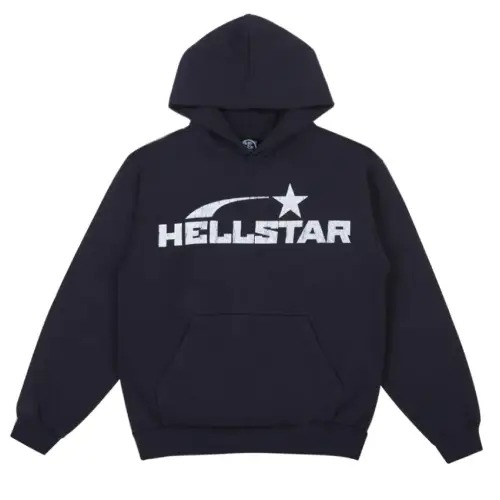
A graphic hoodie can do much more than provide warmth or comfort. When the artwork, typography or colour contrast is visually prominent, the hoodie can become the focal point around which the rest of an outfit is built.
Hellstar hoodies provide a useful example of this approach to contemporary streetwear. Rather than treating a graphic hoodie as something that must always be paired with other attention-grabbing pieces, effective styling usually depends on controlling visual balance, proportion, layering and supporting details.
The objective is not to follow a fixed streetwear formula. It is to understand why certain combinations work so that the same principles can be adapted to different wardrobes, body proportions, seasons and personal styles.
A practical framework is:
Statement → Balance → Proportion → Layer → Finish
1. Why Graphic Hoodies Work as Statement Pieces
A statement piece is the garment that attracts the eye first.
Graphic-heavy hoodies can naturally perform this role because artwork, typography, contrasting colours and prominent branding create more visual information than a plain sweatshirt.
Once the hoodie becomes the focal point, other garments can perform supporting roles.
For example:
Graphic Hoodie + Neutral Trousers + Simple Footwear
creates a different visual hierarchy from:
Graphic Hoodie + Graphic Trousers + Logo-Heavy Jacket + Statement Sneakers
Neither combination is automatically wrong, but the second gives the eye several competing focal points.
For an easier and more versatile outfit, start by asking:
What do I want people to notice first?
If the answer is the hoodie, simplify at least some of the surrounding pieces.
2. The Statement → Balance → Proportion → Layer → Finish Framework
Instead of memorising specific outfits, use five styling decisions.
Statement
Identify the primary visual piece.
With a graphic Hellstar hoodie, this will often be the hoodie itself.
Balance
Reduce unnecessary competition from other graphics, patterns and large logos.
Proportion
Consider how the volume and length of the hoodie interact with trousers and footwear.
Layer
Add base layers or outerwear in ways that complement rather than overwhelm the central garment.
Finish
Use footwear and accessories to complete the outfit.
This framework works beyond any particular brand and can be applied to most graphic streetwear.
3. Understanding Fit Before Styling
Not every hoodie has exactly the same measurements or intended silhouette. Fit can vary between products, collections and sizes.
Instead of assuming that every Hellstar hoodie will fit identically, check the measurements of the specific garment whenever reliable measurements are available.
Important measurements can include:
- Chest width
- Shoulder width
- Body length
- Sleeve length
- Hem width
Compare these measurements with a hoodie you already own and like.
A useful rule is:
Garment Measurements + Intended Silhouette + Body Proportions + Personal Preference > Size Label
Someone wanting a relaxed silhouette may make a different sizing decision from someone who prefers a closer fit.
The goal is therefore not simply to determine whether a hoodie is “true to size,” but to understand how you want the garment to sit on your body and interact with the rest of your outfit.
4. Styling a Graphic Hoodie With Sweatpants
Sweatpants create one of the most straightforward combinations.
When a hoodie and sweatpants share similar colours, graphics or design elements, they can produce a coordinated streetwear silhouette.
A matching set creates visual continuity from top to bottom.
However, a matching set is not required.
A graphic hoodie can also work with plain sweatpants in:
- Black
- Grey
- Navy
- Cream
- Brown
- Other complementary neutral tones
When the hoodie contains multiple colours, selecting one quieter colour from the artwork and reflecting it in the trousers can help connect the outfit without making it look overly coordinated.
Styling principle
Detailed Top + Simple Bottom = Clear Visual Hierarchy
5. Styling With Denim
Denim can reduce the sportswear character of a hoodie and introduce a different texture.
Rather than assuming one denim fit is universally best, consider the relationship between the volume of the hoodie and the jeans.
Straight Denim
Creates a relatively balanced everyday silhouette.
Relaxed Denim
Can complement a roomier hoodie and maintain consistent volume throughout the outfit.
Wide-Leg Denim
Creates a stronger contemporary oversized silhouette.
Distressed Denim
Adds additional visual texture, but it can also compete with a highly detailed hoodie.
When the hoodie already contains substantial artwork, cleaner denim often allows the graphic to remain the dominant feature.
The important relationship is:
Top Volume ↔ Bottom Volume
An oversized hoodie with very narrow jeans creates a deliberately top-heavy silhouette. Wider trousers distribute visual weight differently.
Neither approach is automatically correct or incorrect. The difference should be intentional.
6. Styling With Cargo Trousers
Cargo trousers work well within many contemporary streetwear outfits because they introduce texture through pockets, seams and construction details.
Black, charcoal, olive, brown and neutral cargos can provide a relatively understated foundation for a graphic hoodie.
However, cargo trousers themselves can become visually complex.
If the trousers include:
- Large external pockets
- Straps
- Contrasting hardware
- Graphics
- Multiple zippers
and the hoodie is already visually busy, the combination can become overloaded.
Use the same principle:
One dominant visual story is often enough.
If the hoodie provides the graphic interest, cargos can provide texture rather than additional branding.
7. Styling With Tailored Trousers
Graphic hoodies do not have to be worn exclusively with traditional streetwear bottoms.
Relaxed tailored trousers can create an interesting contrast between casual and structured clothing.
For example:
Graphic Hoodie + Relaxed Wool Trousers + Minimal Sneakers
combines two different clothing languages.
The hoodie contributes:
- Graphics
- Casualness
- Volume
while the trousers contribute:
- Structure
- Cleaner lines
- Different fabric texture
This type of high-low combination can make a graphic hoodie feel less predictable.
8. A Practical Bottoms Guide
| Bottom | Styling Effect | Works Well When |
|---|---|---|
| Matching sweatpants | Coordinated | You want a complete set |
| Plain sweatpants | Relaxed | Comfort is the priority |
| Straight denim | Balanced | Everyday styling |
| Relaxed denim | Proportional | Hoodie has greater volume |
| Wide denim | Oversized | Creating a contemporary silhouette |
| Cargo trousers | Utility-inspired | You want added texture |
| Tailored trousers | High-low contrast | You want a more fashion-led combination |
The best choice depends on the silhouette rather than simply the garment category.
9. Layering a Hellstar Hoodie
Layering becomes especially useful during transitional and colder seasons.
But successful layering requires attention to length, volume and visibility.
Under a Jacket
A hoodie can be layered underneath:
- Bomber jackets
- Denim jackets
- Varsity-style jackets
- Workwear jackets
- Puffer jackets
- Longer structured outerwear
The jacket does not necessarily need to display the entire hoodie graphic.
Sometimes only the hood, neckline or lower hem being visible is enough to create contrast.
With a Base Layer
For zip-up hoodie styles, wearing the garment partially open over a simple T-shirt or long-sleeve top can create visual depth.
With pullover hoodies, a slightly visible T-shirt hem or longer base layer can achieve a similar effect.
Neutral base layers are generally easier to combine with graphic-heavy outer layers.
10. Understanding Outerwear Proportion
The jacket itself changes the silhouette.
Shorter Outerwear
A waist-length bomber or denim jacket can create a more defined layered structure around a longer hoodie.
Oversized Outerwear
An oversized jacket over a relaxed hoodie maintains the larger silhouette but can create considerable bulk.
Structured Outerwear
Combining a casual hoodie with a cleaner, more structured coat or jacket can create deliberate contrast.
Before adding a jacket, ask:
How do the jacket’s length and volume interact with the hoodie underneath?
Layering is not simply about adding another garment. It is about managing the relationship between multiple silhouettes.
11. Choosing Footwear by Visual Weight
Footwear can change how the entire outfit feels.
Rather than simply asking whether sneakers or boots “match” the hoodie, consider the visual weight of the footwear.
Minimal Sneakers
Simple sneakers can reduce competition with a graphic-heavy upper half.
They work particularly well when you want the hoodie to remain the obvious focal point.
Chunkier Sneakers
Chunkier footwear adds weight to the bottom of the outfit.
This can balance wider trousers and an oversized upper silhouette.
Boots
Boots can create a heavier and more rugged appearance, particularly when combined with denim, cargos or substantial outerwear.
Minimal Leather Footwear
Simple leather shoes combined with relaxed trousers and a graphic hoodie can create a more experimental high-low look.
A useful relationship is:
Upper Volume ↔ Trouser Volume ↔ Footwear Weight
Consider all three together rather than selecting shoes independently.
12. Accessories: Use Restraint
Accessories can complete an outfit, but they do not necessarily need to compete with the hoodie.
Options include:
- Beanies
- Caps
- Simple chains
- Rings
- Sunglasses
- Crossbody bags
- Backpacks
If the hoodie already contains prominent graphics and several colours, understated accessories can provide balance.
Think in terms of:
One Dominant Visual Story
If the hoodie is telling that story, accessories can support it rather than starting several additional ones.
13. Colour Balance
A graphic hoodie may contain several colours.
You do not need to reproduce every colour elsewhere in the outfit.
Three approaches are particularly useful.
Neutral Foundation
Pair the hoodie with black, grey, cream, navy or another understated colour.
Colour Echo
Select one secondary colour from the hoodie artwork and repeat it subtly through footwear or an accessory.
Controlled Contrast
Use a deliberately contrasting colour elsewhere, but keep the rest of the outfit relatively restrained.
This creates intentional contrast without turning every garment into a competing focal point.
14. Seasonal Styling
A good outfit should work for the actual climate, not merely look appropriate in a photograph.
Spring
Try:
Graphic Hoodie + Straight Trousers/Denim + Sneakers
A lightweight outer layer can be added where needed.
Summer
A substantial hoodie may be impractical in hot conditions.
Where temperatures permit, it may work during cooler evenings, but comfort should take priority over maintaining a particular aesthetic.
Autumn
This is particularly suitable for layering:
Hoodie + Denim/Cargo Trousers + Light Jacket + Sneakers
Different fabrics can create texture without requiring additional graphics.
Winter
Consider:
Hoodie + Insulated Outerwear + Appropriate Trousers + Weather-Suitable Footwear
The hoodie can function as a middle layer rather than the primary source of insulation.
Remember:
Climate + Fabric Weight + Activity > Aesthetics
15. Styling for Different Casual Settings
A hoodie is inherently casual, but different combinations can change the degree of casualness.
Everyday Wear
Graphic Hoodie + Straight Denim + Sneakers
Simple and easy to adapt.
Relaxed Streetwear
Graphic Hoodie + Relaxed Cargos + Sneakers
A more volume-oriented streetwear silhouette.
Coordinated Look
Hoodie + Matching Sweatpants + Minimal Footwear
Keeps the outfit visually consistent.
Elevated Casual
Graphic Hoodie + Relaxed Tailored Trousers + Structured Outerwear + Minimal Footwear
Creates contrast between casual and smarter garments.
Concert or Informal Social Setting
A graphic hoodie can work with darker trousers, appropriate footwear and restrained accessories where the setting is casual.
However, always consider the venue.
A hoodie may not be appropriate for formal restaurants, business events, formal celebrations or venues with specific dress codes.
16. Styling Matrix
| Setting | Hoodie Pairing | Bottom | Footwear | Goal |
|---|---|---|---|---|
| Everyday | Graphic hoodie | Straight denim | Simple sneakers | Balanced casual |
| Relaxed | Hoodie | Sweatpants | Sneakers | Comfort |
| Streetwear | Graphic hoodie | Relaxed cargos | Chunkier sneakers | Stronger silhouette |
| Graphic-focused | Hoodie | Neutral trousers | Minimal sneakers | Make artwork focal |
| Elevated casual | Hoodie + structured jacket | Relaxed trousers | Minimal footwear | High-low contrast |
| Cold weather | Hoodie + outerwear | Straight/wide trousers | Boots | Layered warmth |
| Coordinated | Hoodie | Matching bottoms | Simple footwear | Visual continuity |
These are starting points rather than rules.
17. Seven Common Graphic-Hoodie Styling Mistakes
1. Too Many Competing Graphics
A graphic hoodie combined with heavily printed trousers, a large-logo jacket and statement footwear can leave the outfit without a clear focal point.
If intentional maximalism is not the goal, simplify.
2. Ignoring Proportion
Do not evaluate the hoodie separately from the trousers.
Look at the complete silhouette.
3. Excessive Branding
Wearing several highly recognizable logos at once can make each individual garment less visually effective.
Brand mixing is not inherently problematic; uncontrolled visual competition is.
4. Ignoring Garment Length
A long T-shirt, long hoodie and differently proportioned jacket can create several competing horizontal lines.
Check where each layer ends.
5. Choosing Footwear Separately
Shoes influence the visual weight of the lower half.
Consider them alongside trouser width and hoodie volume.
6. Ignoring the Weather
Heavy layering can be uncomfortable in warm conditions, while a hoodie alone may provide insufficient protection in genuinely cold or wet weather.
7. Copying Someone Else’s Outfit Exactly
Celebrity photographs, social media and lookbooks can provide inspiration, but an outfit that works for one person may not translate directly to another wardrobe, climate or body proportion.
Extract the principle, not necessarily the exact combination.
18. Buying a Hellstar Hoodie: Verify Before Purchasing
Popular streetwear can attract resale activity and websites that use brand-related names, imagery or terminology.
Consumers should therefore verify a seller independently before purchasing.
Consider:
- Whether you are using the brand’s verified official channels
- Whether the product corresponds with a documented release
- Seller history and reputation when buying through resale channels
- Product photographs and descriptions
- Return and refund conditions
- Payment protections
- Pricing that appears unusually low
- Purchase receipts and documentation
A website describing itself as an “official” store does not, by itself, establish authorization.
When authenticity matters, begin with the brand’s verified official channels and exercise additional caution when purchasing through third-party or resale sources.
19. How to Develop Your Own Graphic-Hoodie Style
The objective of streetwear styling should not be to reproduce one predetermined outfit.
Instead, extract principles that can be reused.
Start with:
Graphic Hoodie + Neutral Foundation + Balanced Proportion + One Supporting Accent
Then adapt the formula.
If you prefer minimalist clothing, reduce accessories.
If you prefer oversized silhouettes, increase trouser volume.
If you enjoy tailoring, introduce structured trousers or outerwear.
If you prefer utility-inspired clothing, experiment with cargos and workwear.
If the hoodie contains several colours, choose one subtle colour to repeat elsewhere.
Personal style develops when you understand the logic behind an outfit and then decide which parts of that logic you want to keep.
Final Thoughts
Styling a Hellstar hoodie—or any graphic-heavy streetwear hoodie—is less about following a rigid list of matching garments and more about managing visual hierarchy and proportion.
The most useful framework is:
Statement → Balance → Proportion → Layer → Finish
Let the graphic hoodie establish the main visual idea. Use trousers to control silhouette, footwear to balance visual weight, layers to introduce depth and accessories to provide finishing details without unnecessary competition.
Most importantly, styling recommendations should remain flexible. Body proportions, climate, wardrobe, personal taste and the measurements of the individual garment all affect what works.
A successful outfit is therefore not necessarily the one that copies a particular streetwear look most closely. It is the one that takes the underlying principles of balance, proportion and visual hierarchy and adapts them convincingly to the person wearing it.
Contributor Resource: This streetwear styling guide was contributed with reference material from Hell Star. Readers interested in Hellstar products should independently verify seller authenticity, product details and authorization before purchasing.
Consumer Note
This article is intended as an independent fashion and styling guide. Product availability, sizing, materials and specifications can vary between individual garments and releases. Consumers should verify product information and seller authenticity through reliable sources before purchasing.









Leave a Reply