






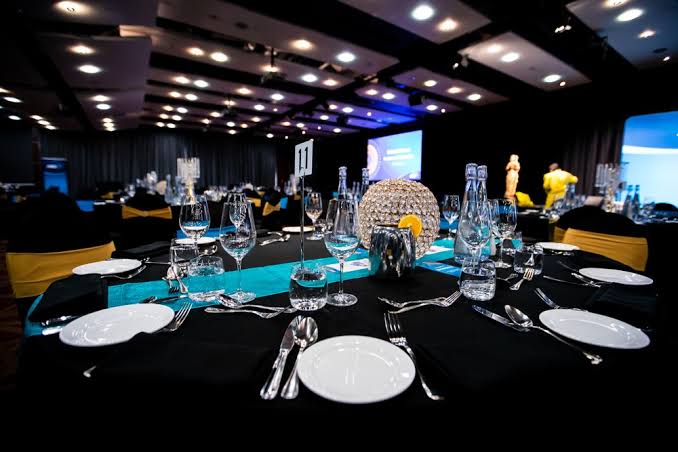
Choosing a venue is one of the most important decisions when planning a corporate event. The right space does more than provide an attractive setting. It affects attendee comfort, presentations, catering, accessibility, event logistics and the overall experience.
Whether you are organizing a leadership meeting, training session, conference, networking reception, product launch, employee celebration or client gathering, a suitable corporate event venue should support the purpose and format of the event rather than simply accommodate the expected number of guests.
A structured evaluation process can help you compare venues objectively, identify hidden costs and operational limitations, and reduce the risk of problems on the event day.
Start With the Purpose and Event Format
Before searching for venues, define what the event is intended to accomplish.
A leadership meeting may require privacy, presentation technology and a quiet environment. A training session might need classroom-style seating, reliable Wi-Fi and breakout areas. A networking reception usually benefits from open circulation space, while a conference may require a stage, audiovisual equipment, registration facilities and multiple rooms.
Consider both the purpose and format:
- board or leadership meeting;
- workshop or training session;
- conference or seminar;
- networking reception;
- product launch;
- client event;
- employee celebration; or
- hybrid event with in-person and remote participants.
Two events with the same number of attendees can require completely different spaces. A seated conference for 150 people, for example, has different requirements from a standing networking reception for the same number.
Create Your Venue Requirements
Before visiting venues, separate essential requirements from features that would simply be useful.
A basic requirements matrix can help.
| Requirement | Must Have | Preferred | Not Required |
|---|---|---|---|
| Capacity for planned layout | ✓ | ||
| Accessible facilities | ✓ | ||
| Reliable Wi-Fi | ✓ | ||
| Presentation equipment | ✓ | ||
| Breakout rooms | ✓ | ||
| On-site catering | ✓ | ||
| Outdoor space | ✓ |
The requirements will differ for every event.
Creating this list before venue tours reduces the risk of choosing a visually impressive space that does not meet important operational requirements.
Match Capacity to the Event Layout
Do not evaluate a venue solely by its advertised maximum capacity.
Capacity changes according to the room configuration. Theater seating, classroom layouts, banquet tables and standing receptions can accommodate very different numbers of people within the same room.
You should also account for space required by:
- stages and presentation equipment;
- registration desks;
- catering stations;
- exhibition or sponsor tables;
- networking areas;
- accessibility requirements; and
- comfortable circulation.
A room that can technically accommodate 200 people may not provide a comfortable experience for 200 attendees once these elements are added.
Ask the venue for capacity figures based on the specific configuration you intend to use.
Evaluate Location and Accessibility
Location can influence attendance and the experience guests have before the event even begins.
Consider how easily employees, clients, speakers and other attendees can reach the venue. Depending on your audience, assess:
- road access;
- parking;
- public transportation;
- airport connections;
- nearby accommodation;
- taxi or rideshare access; and
- safe drop-off and pickup areas.
Accessibility should extend beyond the entrance.
Consider the entire attendee journey, including parking or drop-off, entry, registration, seating, stages where relevant, catering areas, restrooms and emergency exits.
If attendees have particular accessibility requirements, discuss them with the venue before booking rather than assuming the facilities will be suitable.
Study the Space and Attendee Flow
A venue may have enough square footage but still create problems if people cannot move through it efficiently.
During a venue visit, imagine the event from the attendee’s perspective. Consider how someone will arrive, find the entrance, register, reach the main event space, move to breakout sessions, access refreshments and restrooms, and eventually leave.
Look for potential congestion around:
- entrances;
- registration desks;
- elevators;
- doorways;
- catering stations;
- restrooms; and
- breakout rooms.
If the event has multiple sessions, check whether attendees can move between them within the available time.
For presentations, confirm that guests have appropriate sightlines to the stage and screens.
Assess Acoustics, Lighting and Comfort
Photographs rarely reveal how a venue sounds or feels during an event.
Visit the space where possible and assess:
- background noise;
- room acoustics;
- sound isolation;
- natural and artificial lighting;
- sightlines;
- temperature control; and
- ventilation.
Poor acoustics can make presentations difficult to follow. Nearby events, public areas or external noise can also interfere with meetings and recordings.
Ask whether other events will take place at the venue at the same time and whether shared spaces could create noise, privacy or congestion issues.
Check Technology and AV Infrastructure
For many corporate events, technology is critical infrastructure rather than an optional amenity.
Start by identifying exactly what your event requires. This might include:
- screens or projectors;
- microphones;
- speakers;
- presentation systems;
- video conferencing;
- livestreaming;
- charging facilities;
- suitable power outlets; and
- internet connectivity.
Simply asking whether Wi-Fi is available is not enough for a technology-dependent event.
Ask whether the connection is shared or dedicated, whether it can support the expected number of users, and whether wired internet is available for critical systems such as livestreaming.
For hybrid events, determine whether remote speakers and participants can be integrated into the event reliably.
Also ask:
- What AV equipment is included?
- Which connections and adapters are supported?
- Is an AV technician available?
- Is technical support included or separately charged?
- Is backup equipment available?
- What happens if the primary internet connection fails?
Whenever technology is central to the event, arrange testing before guests arrive.
Review Catering and Dietary Requirements
Food and refreshments can affect both the event schedule and guest experience.
Find out whether the venue provides catering, uses approved suppliers or permits external caterers.
Review:
- menu options;
- dietary and allergen requirements;
- minimum food and beverage spend;
- service charges;
- staffing;
- kitchen or preparation facilities;
- coffee and refreshment breaks;
- meal service timing; and
- cleanup responsibilities.
The style of service should also suit the event.
A formal client dinner may require plated service, while a networking reception may work better with circulating appetizers or food stations. Training sessions may benefit from scheduled refreshment breaks that minimize disruption.
Confirm catering requirements and final guest-number deadlines in writing.
Plan Vendor Access and Event Logistics
A venue must work for the people running the event as well as the people attending it.
Ask how suppliers, caterers, AV teams, decorators, speakers and other vendors will access the property.
Important considerations can include:
- loading and unloading areas;
- delivery restrictions;
- vendor parking;
- freight elevators;
- storage space;
- equipment staging areas;
- setup access;
- security procedures; and
- breakdown and collection times.
Confirm when your team and suppliers can enter the venue and how long they have after the event to remove equipment.
A venue that appears convenient for attendees can become operationally difficult if vendors have limited access or insufficient setup time.
Review Supporting Spaces and Amenities
The main event room is only part of the venue.
Depending on the event, you may also need:
- registration space;
- breakout rooms;
- speaker preparation rooms;
- staff areas;
- private meeting rooms;
- coat storage;
- equipment storage;
- outdoor areas;
- restrooms; and
- quiet spaces.
Consider how these areas connect with the main event.
For example, breakout rooms located far from the main session can create delays, while poorly positioned registration desks can create congestion at the entrance.
Consider Safety and Contingency Planning
An event plan should account for what happens when conditions do not go as expected.
Ask the venue about:
- emergency exits;
- evacuation procedures;
- first-aid arrangements;
- security;
- emergency contacts; and
- incident-management procedures.
Then consider event-specific contingencies.
If part of the event is outdoors, what happens if the weather changes? Is there genuinely sufficient indoor backup capacity?
If the event depends on internet connectivity, what happens during an outage?
If AV equipment fails, is backup equipment or technical support available?
Other scenarios could include delayed catering, unexpected attendance changes or a speaker arriving late.
A strong venue should support not only the planned event but also reasonable contingencies.
Calculate the Total Venue Cost
The advertised rental price may represent only part of the final cost.
Ask for a detailed quotation showing what is included and what will be charged separately.
Potentially Included
Depending on the venue, the base rate might include:
- tables and chairs;
- basic AV equipment;
- Wi-Fi;
- standard staffing;
- setup or cleanup; and
- parking.
Potential Additional Costs
Ask specifically about:
- equipment rental;
- AV technicians;
- security;
- overtime;
- additional staffing;
- catering;
- service charges;
- cleaning;
- storage;
- room resets;
- parking; and
- setup or breakdown outside standard hours.
Compare venues using the estimated total event cost, not simply the room-rental fee.
A lower initial price does not necessarily mean a lower final cost.
Review Contract Terms Carefully
Before paying a deposit, read the venue agreement carefully and make sure important commitments are documented.
Review provisions covering:
- deposit requirements;
- payment schedule;
- cancellation;
- rescheduling;
- minimum spending requirements;
- overtime;
- event hours;
- vendor restrictions;
- catering requirements;
- decorations and signage;
- damage;
- insurance;
- force majeure; and
- setup and breakdown access.
Also establish what happens if the venue itself becomes unable to host the event.
If any important promise was made during the sales process, make sure it is reflected in the written agreement rather than relying solely on a verbal assurance.
Evaluate the Overall Guest Experience
A successful corporate event should feel straightforward to attend.
Consider the experience from arrival to departure.
Can guests identify the venue easily? Is parking straightforward? Is registration obvious? Can people find the event room without confusion? Is seating comfortable? Are restrooms accessible? Can attendees hear presentations clearly? Is there enough space to move and network?
Small operational details can have a significant cumulative effect on how professionally an event is perceived.
Consider the needs of speakers and VIP guests as well. They may require private preparation areas, convenient stage access or dedicated arrival arrangements.
Conduct a Venue Walkthrough
Whenever practical, visit shortlisted venues before making the final decision.
Do not simply inspect the main room.
Walk through the event as an attendee would: arrive at the property, locate parking or drop-off, find the entrance, identify registration, enter the event room, locate breakout spaces, catering areas and restrooms, and consider how departure will work.
Then repeat the assessment from the perspective of organizers, speakers and vendors.
Check loading access, storage, setup routes, power availability and the location of technical equipment.
A walkthrough often reveals practical issues that floor plans and photographs do not.
Compare Venues With a Scorecard
Once you have shortlisted several venues, use the same criteria to evaluate each one.
| Criterion | Importance | Venue A | Venue B | Venue C |
|---|---|---|---|---|
| Location and access | High | |||
| Capacity and layout | High | |||
| Accessibility | High | |||
| AV and technology | High | |||
| Catering | Medium | |||
| Vendor logistics | Medium | |||
| Total event cost | High | |||
| Contract flexibility | Medium | |||
| Contingency capability | High | |||
| Guest experience | Medium |
Adjust the importance of each criterion according to your event.
For a hybrid conference, internet reliability and AV support may be critical. For an executive dinner, privacy, catering and service may matter more.
The purpose of a scorecard is not to turn venue selection into a purely mathematical decision. It provides a consistent framework so important requirements are not forgotten when comparing very different spaces.
Questions to Ask Before Booking
Take a prepared list of questions to each venue discussion or walkthrough:
- What is the capacity for our specific room layout?
- What exactly is included in the quoted price?
- Which additional charges could apply?
- Is another event taking place at the same time?
- What seating arrangements are available?
- Is the venue accessible throughout the attendee journey?
- Is Wi-Fi suitable for our expected number of users?
- Is wired internet available?
- What AV equipment is included?
- Is technical support available during the event?
- What catering options and restrictions apply?
- How are dietary requirements managed?
- Can external vendors be used?
- When can vendors begin setup?
- What are the loading and delivery arrangements?
- How much breakdown time is provided?
- Is storage available?
- What is the contingency plan for outdoor areas?
- What emergency and security procedures are in place?
- Are there noise or time restrictions?
- What insurance requirements apply?
- What is the cancellation and rescheduling policy?
- What happens if the venue cannot host the event?
- Who will be the event-day contact?
Documenting the answers makes comparisons easier and reduces the possibility of misunderstandings later.
Final Thoughts
Choosing a corporate event venue requires much more than finding a room with enough seats or selecting the space that looks best in photographs.
The strongest venue is the one that supports the purpose, format, attendees and operational requirements of the specific event.
Start with clearly defined requirements. Evaluate usable capacity rather than headline capacity, assess accessibility throughout the attendee journey, test critical technology, understand vendor logistics and contingency arrangements, calculate the complete event cost, and review the contract carefully.
Finally, compare shortlisted venues consistently rather than relying only on first impressions.
A thoughtful venue-selection process does not guarantee that every aspect of an event will go according to plan, but it can eliminate many preventable problems and give organizers a much stronger foundation for delivering a professional, comfortable and well-managed corporate event.









Leave a Reply