






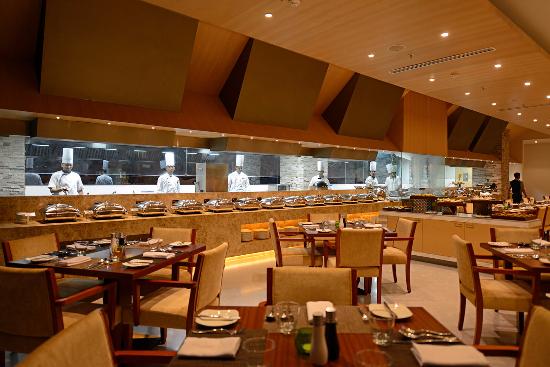
A successful restaurant is more than a place to serve food. Its identity is shaped by the menu, atmosphere, service, customer expectations, and the overall experience it creates.
This combination is known as a restaurant concept. It provides the foundation for decisions ranging from menu development and interior design to staffing, technology, pricing, and marketing.
Modern restaurant concepts increasingly explore immersive experiences, flexible spaces, sustainability, digital convenience, and distinctive culinary identities. However, adopting a popular trend does not automatically make a restaurant successful.
The most effective concepts connect a clear customer need with a dining experience that the business can deliver consistently and affordably.
This guide explores the essential elements of modern restaurant concepts, different approaches to restaurant design, and practical steps for developing and evaluating a concept before making a substantial investment.
What Is a Modern Restaurant Concept?
A restaurant concept is the central idea that defines what a restaurant offers, whom it serves, and why customers might choose it over competing establishments.
It brings together several connected elements:
- Target audience: The customers the restaurant intends to attract.
- Culinary identity: The cuisine, menu structure, ingredients, and food preparation methods.
- Service model: How customers order, receive, and experience their meals.
- Atmosphere: The physical environment, lighting, acoustics, furniture, and overall ambience.
- Brand identity: The values, personality, and story communicated through the restaurant.
- Business model: The pricing, staffing, operating hours, and resources required to deliver the experience.
A restaurant concept is different from restaurant design.
Design concerns the physical and visual expression of an idea, while the concept determines the underlying purpose and experience.
For example, two restaurants may feature similar industrial-style interiors but offer entirely different experiences.
One might focus on chef-led tasting menus and carefully paced service. The other might offer affordable shared plates, informal seating, and a lively social atmosphere.
Although their interiors appear similar, their target audiences, operating models, and customer expectations are different.
A clearly defined concept helps restaurant owners make decisions that support a consistent identity.
How Modern Restaurant Concepts Influence the Dining Experience
Customers experience a restaurant through multiple interactions, not simply through the food they order.
Their experience may begin when they discover the restaurant online, browse its menu, or make a reservation.
It continues through arrival, seating, ordering, dining, payment, and any subsequent interaction with the business.
Modern restaurant concepts aim to make these touchpoints work together.
Three important considerations are particularly relevant.
1. Creating a Memorable Experience
Restaurants can differentiate themselves through distinctive cuisine, service, atmosphere, or cultural identity.
An open kitchen, for example, may allow guests to observe food preparation and interact with chefs.
A small neighbourhood restaurant may instead create a memorable experience through familiar service, consistent food quality, and a welcoming atmosphere.
The appropriate experience depends on the restaurant’s audience and positioning.
2. Providing Relevant Personalisation
Personalisation can involve remembering dietary preferences, recognising returning guests, or offering menu recommendations based on previous visits.
However, personalisation should remain appropriate to the service model.
A fine-dining restaurant may use detailed reservation notes, while a quick-service business may focus on convenient ordering and clearly displayed customisation options.
Businesses should also handle customer information responsibly and comply with applicable privacy requirements.
3. Connecting Digital and Physical Experiences
Websites, digital menus, reservations, online reviews, and social media can shape expectations before guests arrive.
The physical dining experience should reflect the promises made through these channels.
For example, a restaurant promoting a relaxed, family-friendly environment should ensure that its seating arrangements, menu, service pace, and facilities support that positioning.
Consistency between marketing and actual service is essential for building customer trust.
Five Core Elements of a Modern Restaurant Concept
1. Experience and Ambience Design
Restaurant ambience influences how customers perceive and interact with a space.
Lighting, sound, seating, layout, temperature, and visual design all contribute to the dining experience.
A fine-dining restaurant may use subdued lighting, comfortable seating, and carefully controlled acoustics to encourage a slower dining experience.
A fast-casual restaurant may prefer brighter lighting, efficient circulation, and seating designed for shorter visits.
Acoustics deserve particular attention.
Excessive noise can make conversation difficult, while poorly planned seating arrangements can affect both comfort and staff movement.
Restaurant owners should evaluate ambience alongside operational needs, accessibility, and safety.
Design choices should support the intended experience rather than follow trends without a clear purpose.
2. Technology That Supports the Restaurant Identity
Technology can improve convenience, communication, and operational efficiency.
Common applications include:
- Online reservation systems.
- Digital menus.
- Contactless payment.
- Self-service ordering.
- Kitchen display systems.
- Inventory management software.
- Customer loyalty programmes.
- Point-of-sale systems.
However, technology should solve an identifiable problem.
A quick-service restaurant may benefit from self-service kiosks that simplify ordering during busy periods.
A chef-led restaurant focused on personal interaction may prefer traditional table service supported by less visible technology.
Digital ordering can also introduce challenges, including accessibility barriers, technical failures, customer privacy concerns, and reduced personal interaction.
Restaurant owners should consider whether a technological feature improves the guest experience before investing in it.
3. Sustainability in Daily Operations
Sustainability is not limited to recycled furniture or environmentally themed interior design.
It can influence purchasing, menu development, food preparation, energy use, packaging, and waste management.
Practical measures may include:
- Reviewing food purchasing and storage practices.
- Designing seasonal menus around available ingredients.
- Measuring food waste.
- Adjusting portion sizes based on customer feedback.
- Improving energy and water efficiency.
- Reducing unnecessary packaging.
- Working with suppliers that provide relevant sourcing information.
Local sourcing can support nearby producers and offer opportunities for fresher seasonal ingredients, but it does not automatically reduce costs or environmental impacts.
Transport methods, production practices, storage requirements, and seasonal availability also matter.
The UK-based Waste and Resources Action Programme (WRAP) provides guidance on measuring and reducing food waste in hospitality and food service.
Its approach emphasises measurement and operational improvement rather than sustainability claims based only on appearance.
Restaurants should communicate sustainability practices accurately and avoid making environmental claims that cannot be substantiated.
4. Menu Development and Storytelling
A restaurant menu should reflect its culinary identity while remaining practical to produce and financially sustainable.
Storytelling can help explain the inspiration behind a dish, its cultural origins, or the ingredients used.
For example, a restaurant specialising in regional cuisine may introduce customers to traditional cooking methods or locally significant dishes.
However, storytelling should not overshadow food quality, value, or operational consistency.
Menu development should consider:
- Ingredient availability.
- Preparation complexity.
- Food costs.
- Portion sizes.
- Kitchen capacity.
- Dietary requirements.
- Menu pricing.
- Customer preferences.
- Expected demand.
A smaller, carefully planned menu may be easier to execute consistently than an extensive menu requiring numerous specialised ingredients.
Restaurant operators should review menu performance regularly and make adjustments based on sales, customer feedback, preparation requirements, and profitability.
5. Flexible and Multi-Functional Spaces
Flexible restaurant spaces can support different activities throughout the day.
For example, a café might serve breakfast and coffee in the morning, provide casual lunch service, and host small evening events.
Other restaurants may use movable furniture, adaptable seating areas, or separate zones for private dining.
Potential benefits include:
- Greater flexibility in seating arrangements.
- Opportunities to serve different customer groups.
- Better use of available space.
- Additional event or private dining opportunities.
- Adaptability to changes in demand.
However, flexibility can introduce operational complexity.
Different service periods may require additional staffing, equipment, storage, cleaning, or menu preparation.
Restaurant owners should evaluate whether the expected additional revenue justifies these requirements.
Modern Restaurant Concept Ideas Worth Exploring
Different restaurant concepts address different customer needs.
The following examples illustrate how restaurants can develop a distinctive identity without relying solely on visual design.
1. Immersive Dining
Immersive dining combines food with coordinated visual, auditory, or interactive elements.
Examples may include themed dining environments, theatrical presentation, or menus designed around a particular story.
This approach may appeal to customers seeking special-occasion experiences.
However, immersive concepts can involve significant production, staffing, and maintenance costs.
The experience must remain enjoyable after the initial novelty has faded.
2. Social and Communal Dining
Social dining emphasises shared meals, communal tables, and interaction between guests.
It may suit casual restaurants, group dining venues, and establishments built around shared plates.
Operators should consider seating comfort, noise levels, privacy preferences, and efficient table management.
Not every customer prefers communal seating, so offering different seating arrangements may improve accessibility and appeal.
3. Chef-Led Dining Experiences
Chef-led concepts place culinary expertise and creative direction at the centre of the restaurant.
They may feature tasting menus, seasonal ingredients, open kitchens, or direct interaction between chefs and guests.
The approach can create a distinctive identity, but it may also depend heavily on specialist staff and consistent execution.
Succession planning and kitchen documentation become important when the concept is closely associated with an individual chef.
4. Culture-Led Restaurant Concepts
Culture-led restaurants draw inspiration from particular culinary traditions, regional food practices, or cultural experiences.
Authenticity requires more than decorative references.
Menu development, ingredient selection, preparation methods, and cultural storytelling should be informed by appropriate knowledge and experience.
Restaurant owners should avoid superficial representations or inaccurate cultural claims.
5. Nature-Inspired Restaurant Design
Nature-inspired restaurants incorporate elements such as daylight, plants, natural textures, and outdoor connections.
These features can help create a distinctive atmosphere.
However, the design must remain practical.
Living plants require maintenance, natural materials may have specific cleaning requirements, and outdoor dining spaces can be affected by weather and local regulations.
6. Technology-Enhanced Dining
Technology-enhanced concepts incorporate digital systems into the customer experience.
Examples include interactive ordering, digital menu displays, or integrated reservation and loyalty systems.
The best applications make dining more convenient without creating unnecessary complexity.
Restaurants should provide reasonable alternatives for customers who cannot or prefer not to use digital interfaces.
7. Sustainability-Focused Restaurants
Sustainability-focused concepts integrate environmental considerations into menu design, procurement, resource management, and daily operations.
Examples may include seasonal menus, food waste reduction programmes, and more efficient use of energy and water.
These concepts require ongoing measurement and operational commitment.
A restaurant should avoid presenting itself as sustainable based solely on a few visible design features.
8. Flexible All-Day Dining
All-day dining concepts serve different customer needs across several service periods.
A restaurant might offer breakfast, lunch, and evening dining within the same space.
This can create additional revenue opportunities, but it may require different menus, staffing patterns, and operating procedures.
The business model should be tested against local demand and operating costs.
Comparing Modern Restaurant Concept Types
The following comparison can help restaurant owners evaluate different approaches.
| Restaurant Concept | Potential Advantages | Key Challenges | Suitable Considerations |
|---|---|---|---|
| Immersive dining | Distinctive experiences and event opportunities | Production costs and ongoing novelty | Special occasions and destination dining |
| Social dining | Group experiences and shared-menu opportunities | Noise, seating preferences, table management | Casual dining and group-oriented venues |
| Chef-led dining | Strong culinary identity | Specialist staffing and consistency | Premium or experience-focused dining |
| Culture-led dining | Distinctive cuisine and storytelling | Authenticity and ingredient sourcing | Regional and culturally focused restaurants |
| Nature-inspired design | Distinctive atmosphere | Maintenance and environmental conditions | Cafés, leisure venues, and lifestyle concepts |
| Technology-enhanced dining | Ordering convenience and operational support | Technology costs and accessibility | High-volume or digitally oriented service |
| Sustainability-focused dining | Resource efficiency and clear operating values | Supplier verification and measurement | Restaurants with long-term sustainability goals |
| Flexible all-day dining | Multiple service opportunities | Staffing and operational complexity | Locations with demand across different dayparts |
The best choice depends on local demand, available resources, competition, and the restaurant’s operating capabilities.
How to Develop and Validate a Restaurant Concept
A successful restaurant concept should be tested before substantial investments are made in property, equipment, branding, or interior design.
The following framework provides a practical starting point.
Step 1: Identify the Target Customer
Begin by defining the customers the restaurant intends to serve.
Consider:
- Age groups and household characteristics.
- Dining occasions.
- Spending preferences.
- Dietary needs.
- Preferred service styles.
- Location and travel patterns.
For example, a restaurant serving office workers during lunch may require a different menu, service speed, and pricing structure from a destination restaurant targeting evening celebrations.
Avoid defining the target audience so broadly that the concept loses its identity.
Step 2: Research Local Demand and Competition
Evaluate existing restaurants in the proposed location.
Research should consider:
- Competing cuisines and service models.
- Menu prices.
- Customer reviews.
- Opening hours.
- Accessibility and transport.
- Local footfall patterns.
- Gaps in available dining options.
Competitor research should identify unmet needs rather than simply encourage imitation.
A restaurant may find an opportunity through convenience, service quality, menu specialisation, or a different dining experience.
Step 3: Define the Value Proposition
A restaurant’s value proposition explains why its target customers should choose it.
It should answer three questions:
- Who is the restaurant designed for?
- What experience or benefit does it provide?
- How is that experience meaningfully different from available alternatives?
For example, a neighbourhood restaurant might focus on affordable seasonal meals served quickly in a comfortable environment.
Every major operational decision should support that positioning.
Step 4: Evaluate Financial and Operational Feasibility
Creative ideas must be supported by a viable operating model.
Restaurant owners should estimate:
- Initial property and fit-out costs.
- Kitchen equipment requirements.
- Staffing and training expenses.
- Ingredient and supply costs.
- Utilities and maintenance.
- Technology subscriptions.
- Marketing expenses.
- Expected sales volumes.
- Working capital requirements.
Menu pricing should reflect ingredient costs, labour, overheads, customer expectations, and the desired financial performance.
Operators should also evaluate local licensing, food safety, accessibility, and other applicable regulatory requirements.
Step 5: Test the Concept Before Full Launch
Testing can help identify weaknesses before committing to a permanent location or extensive fit-out.
Possible methods include:
- Limited-time pop-up events.
- Small tasting sessions.
- Temporary menu trials.
- Customer interviews.
- Local market testing.
- Pilot delivery or takeaway services.
For example, a restaurant considering a seasonal tasting-menu concept might run a limited series of events to assess customer interest, service requirements, and willingness to pay.
Pilot results should be evaluated alongside costs and operational feasibility.
Positive feedback alone does not guarantee a sustainable business model.
Step 6: Refine the Guest Experience
Once the concept has been tested, review the full customer journey.
Consider how guests:
- Discover the restaurant.
- Access menu and pricing information.
- Make reservations.
- Enter and navigate the space.
- Place orders.
- Receive service.
- Pay and provide feedback.
Identify unnecessary friction and make improvements before launch.
Step 7: Measure Performance and Improve
A restaurant concept should evolve through observation, customer feedback, and operational data.
Useful indicators include:
| Performance Measure | What It Helps Evaluate |
|---|---|
| Average customer spend | Revenue generated per guest |
| Repeat customer rate | Whether guests return |
| Food cost percentage | Ingredient cost relative to food sales |
| Labour cost percentage | Staffing efficiency relative to revenue |
| Table utilisation | How effectively seating capacity is used |
| Customer satisfaction | Perceived quality of food, service, and atmosphere |
| Food waste | Opportunities to improve purchasing and preparation |
| Contribution margin | Financial contribution of menu items after relevant variable costs |
These measures should be interpreted together.
For example, increasing table turnover may improve capacity utilisation but could reduce customer satisfaction if service becomes rushed.
The goal is to maintain a balance between guest experience, operational efficiency, and financial sustainability.
Common Mistakes When Developing a Restaurant Concept
Following Trends Without Understanding Customers
A popular dining trend may not match local demand.
Restaurant owners should test whether the concept appeals to their intended audience before making major investments.
Prioritising Interior Design Over Operations
An attractive restaurant may still struggle if its kitchen layout, staffing, menu, or service processes are inefficient.
Design and operations should be planned together.
Creating an Overly Complex Menu
Large menus can increase purchasing complexity, food waste, and preparation requirements.
A focused menu may support better consistency and cost control.
Investing in Technology Without a Clear Purpose
Digital systems should address specific customer or operational needs.
Technology that complicates ordering or service may reduce rather than improve the dining experience.
Making Unsupported Sustainability Claims
Environmental claims should reflect measurable practices and credible evidence.
Businesses should distinguish between sustainability goals and outcomes they have actually achieved.
Ignoring Long-Term Maintenance Costs
Specialised interiors, interactive technology, and complex dining experiences may require ongoing investment.
A concept should remain financially viable after the excitement of its launch has passed.
The Future of Modern Restaurant Concepts
Restaurant concepts will continue to evolve as consumer preferences, technology, operating costs, and environmental considerations change.
However, successful restaurant development is unlikely to depend on adopting every emerging trend.
Instead, restaurant operators should focus on building adaptable concepts that respond to genuine customer needs.
Technology may improve convenience, sustainability initiatives may reduce resource waste, and flexible spaces may create additional service opportunities.
Each approach should be evaluated against the restaurant’s identity, operational capabilities, and financial objectives.
A clear concept provides direction, while continuous evaluation helps the business remain relevant over time.
Conclusion
Modern restaurant concepts connect cuisine, atmosphere, service, technology, and brand identity into a consistent dining experience.
Whether a restaurant focuses on immersive dining, regional cuisine, sustainability, or flexible spaces, its concept should reflect a clear understanding of the customers it intends to serve.
Creative design and distinctive experiences can support differentiation, but they must be balanced with practical considerations such as staffing, menu costs, operational efficiency, and customer expectations.
Restaurant owners should research their market, define a clear value proposition, test their ideas, and evaluate performance before making substantial investments.
Ultimately, a strong restaurant concept is not simply a visual theme or a temporary trend. It is a practical framework for delivering a distinctive, consistent, and financially sustainable dining experience.
Frequently Asked Questions
What is a modern restaurant concept?
A modern restaurant concept is the central idea connecting a restaurant’s cuisine, atmosphere, service model, customer experience, and business positioning.
What makes a restaurant concept successful?
A successful concept addresses a clearly identified customer need, offers a distinctive experience, and can be delivered consistently within a financially viable operating model.
What are some examples of modern restaurant concepts?
Examples include immersive dining, chef-led restaurants, communal dining, culture-led concepts, sustainability-focused restaurants, technology-enhanced dining, and flexible all-day dining.
How is a restaurant concept different from restaurant design?
A restaurant concept defines the business’s purpose, audience, and experience. Restaurant design expresses that concept through layout, lighting, furniture, materials, and other physical elements.
Do modern restaurant concepts require significant investment?
Not necessarily. Investment depends on the concept. Some restaurants differentiate themselves through focused menus, service quality, or cultural identity, while others require specialised equipment, extensive interiors, or advanced technology.
How can restaurant owners test a concept before opening?
Owners can conduct market research, organise pop-up events, run limited menu trials, gather customer feedback, and evaluate costs before committing to a full launch.
Why is sustainability important in restaurant concept development?
Sustainability practices can help restaurants manage resource use, reduce avoidable waste, and respond to environmental concerns. Their value depends on implementation, measurement, and operational feasibility.









Leave a Reply